
Is it safe to use locally collected décor in my aquarium?
I am a big fan of utilising tannins in an aquarium to keep the water healthy and combat disease, but is it safe to use leaves collected from a local wood in a tropical aquarium?
The answer is yes, its fine to use fallen leaves in your aquarium, providing they don't contain toxic chemicals or harbour any contamination. You want to avoid anything that could possibly have been sprayed by herbicides, or is close to heavy industry and polluted areas.
While leaves in your local forest are unlikely to have come into contact with any herbicides or weed killers, leaves collected in your local park or gardens may well have done. Herbicides can be acutely toxic to aquarium fish, which will exhibit signs of poisoning within minutes.

What type of leaves should I collect?
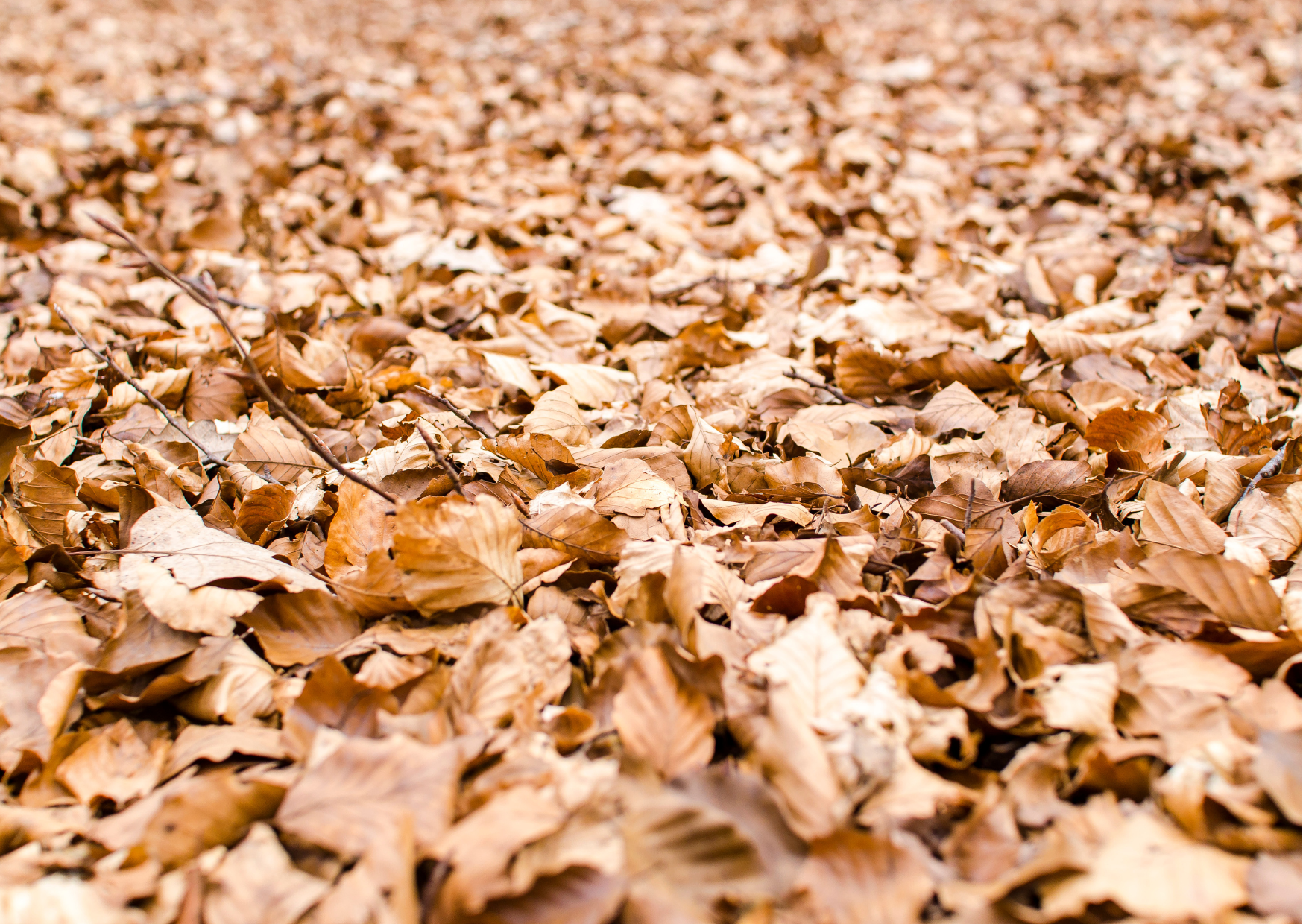
You will want to collect leaves that are sturdy and robust, which will take longer to decay. Most varieties will eventually rot, so choose those that'll take some weeks before they decompose. Oak and Beech leaves are perfect for aquariums.
Avoid anything fresh (no green leaves) and avoid resinous leaves (such as pine) or anything potentially poisonous like evergreens and ivy.
How should I prepare and store leaves foraged for an aquarium?
Its best to collect dried leaves - anything damp will likely decompose and rot inside a bag over a short period of time. You can collect leaves in a large bag (a bin bag for example) and store them in a cool dry place to prevent further decomposition before the leaves are put in your fish tank. If you have collected a large quantity, its a good idea to bag them up in smaller batches so you can remove and replace those in the aquarium as necessary.
Store-brought aquarium leaves, like Indian Almond Leaves (Catappa) will have been cleaned and dried, unlike the ones you collect yourself. You can air-dry your leaves in a warm greenhouse or even in an oven at a very low heat if you prefer, but its not necessary. You will find that your leaves, especially types found in England, will mulch a lot quicker than Indian Almond or other store-bought varieties anyway regardless.
Always inspect your locally collected leaves for creepy crawlies or eggs and hitchhikers before adding them to your aquarium. Give them a gentle brushing-off in your garden allowing any bugs and spiders to find new homes - don't be tempted to add insect-covered leaves to your fish tank with the expectation of your fish eating them. You will more likely be pitilessly drowning bugs and potentially exposing your fish to unknowns such as parasites.

Above: Indian Almond Leaves (Catappa)
"Can I use locally collected leaves in my aquarium" is a blog that features in our Leaves category. To browse similar articles please click here to browse Leaves blogs.
To browse our range of aquarium leaves online please click here.
Photo credit(s): Canva Pro licence (title image); Real Aquatics; all rights reserved.
Related keyword searches: Aquarium Leaves, Dried Leaves for Aquascaping, Indian Almond Leaves, Leaves for Shrimps to Graze on.


