
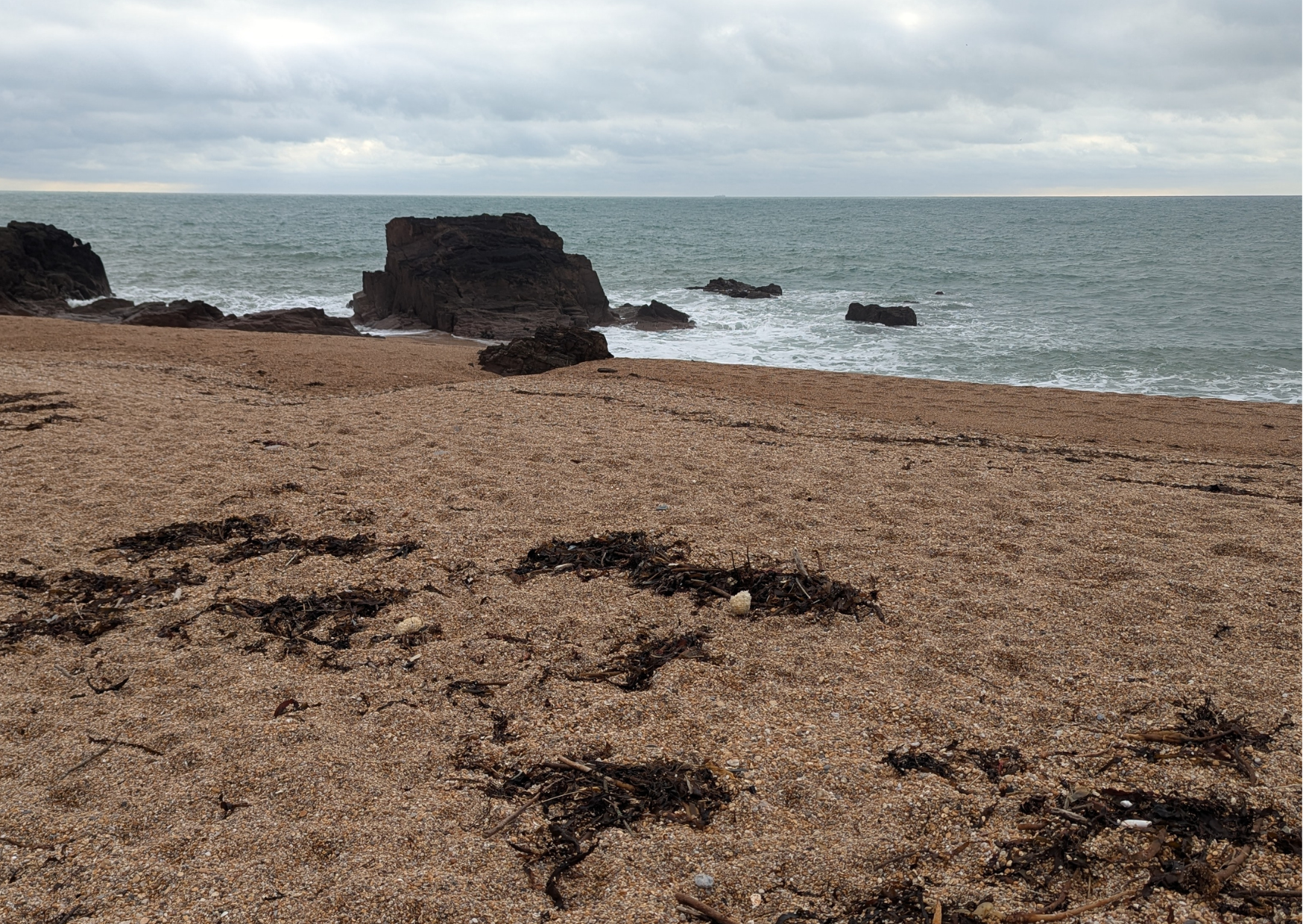
Wherever you go around our shores in the UK, you're likely to come across many varieties of seaweed on the beach. Below we explore exactly what seaweed is and its role in the local ecology.
What are seaweeds?
Seaweeds are a diverse group of marine algae that thrive along coastlines and in shallow ocean waters. They're not technically plants, though they share some characteristics like photosynthesis—the process of converting sunlight into energy. Seaweeds come in various colours, typically green, red, or brown, each with distinct species adapted to specific ocean depths and light conditions. Their role in marine ecosystems is vital: they produce oxygen, provide shelter for aquatic life, and stabilize shorelines by preventing erosion.
More than just marine décor
Beyond their ecological importance, seaweeds have found their way into global cuisines and wellness routines. Rich in nutrients like iodine, calcium, and fibre, they’ve long been prized in East Asian diets and are now gaining popularity in the West for their health benefits. From sushi rolls to skincare products, these oceanic wonders offer sustainable, nutrient-dense solutions with a touch of coastal charm. Whether you're a foodie, a health enthusiast, or just someone curious about nature's ingenuity, seaweeds are worth a deeper dive.

Seaweed Classification
Seaweeds are broadly categorized into three main groups based on their pigmentation and biochemical properties: green algae (Chlorophyta), brown algae (Phaeophyceae), and red algae (Rhodophyta). Green algae typically inhabit shallow coastal waters where light is abundant, and they share traits with land plants due to their chlorophyll-rich cells. Brown algae are more complex and include familiar varieties like kelp; they thrive in cooler, nutrient-rich seas and often dominate rocky shorelines. Red algae, which can live at greater depths thanks to their ability to absorb blue light, boast a diverse range of species and are commonly used in food and industry. This classification not only reflects the seaweeds’ evolutionary adaptations but also guides how they’re harvested, studied, and used—from sushi wraps to skincare serums.

Nature’s multitaskers beneath the waves
Each type of seaweed - green, brown, and red - plays a unique ecological role that helps sustain marine environments.
Green algae often form the foundation of coastal food webs, offering a vital food source for a wide range of marine herbivores. Their rapid growth helps absorb excess nutrients in the water, which can prevent harmful algal blooms from forming.
Brown algae, especially larger species like kelp, create underwater forests that support high biodiversity. These kelp forests provide shelter and breeding grounds for countless species, from fish and crabs to sea otters. They also act as natural wave buffers, helping reduce coastal erosion.
Red algae contribute to reef-building processes, with some species producing calcium carbonate that stabilizes coral reef structures. They thrive at greater depths and often form symbiotic relationships with other marine organisms, enhancing the overall resilience of deep-sea ecosystems.
Together, these algae form an invisible safety net for the ocean—filtering water, sequestering carbon, and keeping marine life fed and housed.

Zoning in on Seaweed Zonation
Seaweed zonation refers to the distinct distribution patterns of different seaweed species across the intertidal zone—the area between high and low tide marks. This natural layering occurs because various seaweeds have adapted to cope with differing levels of sunlight, moisture, wave action, and exposure to air. For instance, hardy green algae often dominate the upper zones, enduring longer dry spells and direct sunlight. In contrast, brown algae like kelp typically thrive in the middle to lower zones where they remain submerged longer and benefit from nutrient-rich waters. Red algae settle even deeper, taking advantage of their ability to absorb light that penetrates to greater depths. These zones aren’t just fascinating visually—they reveal how life fine-tunes itself to survive in constantly changing environments.
As we wrap up our deep dive into the wonders of seaweed, it’s clear that this humble ocean plant is more than just a shoreline decoration. From revolutionising sustainable farming and skincare to enriching our diets with essential nutrients, seaweed is carving out its place as a powerhouse of the future. Whether you're a scientist, a chef, or simply someone who cares about the planet, seaweed invites us to rethink what’s possible beneath the waves. So next time you spot it on your plate or paddling near the coast, you’ll know—there’s a whole world of green potential in every strand.
To visit more of our featured blog series Around Our Shores please click here.
To browse our range of seaweed products online please click here.
Photo credit(s): Driftwood and seaweed on the seashore beach at Blackpool Sands in Devon England on a winters day with cloudy skies, Shutterstock / LilyAnDad (main); Spiral wrack on rocky shore in Devon UK, Shutterstock / Liz Seymour (insert); Student on a field trip. Using Quadrate on a rocky shore looking at seaweed coverage, Shutterstock / Smib123 (insert), Kelp Underwater, Canva pro licence.


