
Aquarium Rocks: Why They're More Important Than You Think
When setting up a new aquarium, most fishkeepers focus on choosing the right fish, filtration and plants. However, one of the most important elements of any aquascape is often overlooked: the rocks.
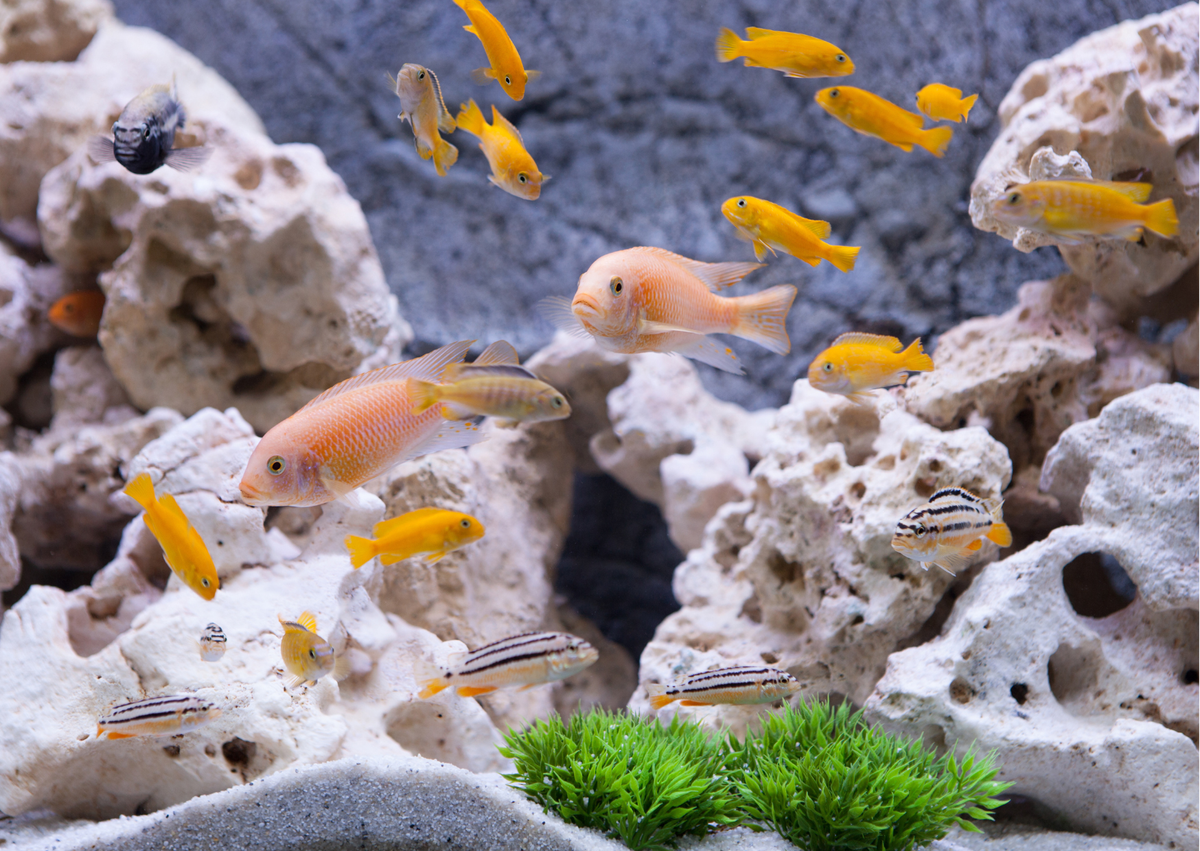
Far more than simple decoration, aquarium rocks provide shelter, create territories, influence water chemistry and help create a natural environment where fish can feel secure. Whether you're building a lush planted aquarium, a dramatic cichlid setup or a peaceful community tank, choosing the right rocks can transform both the appearance and functionality of your aquarium.
In this guide, we'll explore the benefits of aquarium rocks, the different types available and how to use them safely in your fish tank.
Why Add Rocks to an Aquarium?
In nature, few aquatic environments are completely bare. Rivers, streams, lakes and ponds all contain natural hardscape in the form of rocks, stones and submerged wood.
Adding rocks to your aquarium helps recreate these natural habitats and offers several important benefits.
Creates Natural Shelter
Many fish species instinctively seek cover when they feel threatened. Rocks can be arranged to create caves, crevices and shaded areas where fish can retreat when stressed.
This is particularly beneficial for:
Providing suitable shelter can help fish feel more secure, leading to better colouration and more natural behaviour.
Establishes Territories
Some fish naturally establish territories, especially cichlids and other species that inhabit rocky environments.
Strategically placed rocks can help break up sight lines within the aquarium, reducing aggression by allowing fish to claim their own areas without constantly encountering rivals.
Encourages Natural Behaviour
Many fish utilise rocks as part of their daily routines.
You may see fish:
- Grazing algae from rock surfaces
- Exploring caves and crevices
- Spawning on flat stones
- Defending territories
- Resting beneath overhangs
A well-designed rocky aquascape often results in more interesting and natural fish behaviour.
Improves Visual Appeal
From dramatic mountain-style aquascapes to natural riverbank layouts, rocks provide structure and contrast within the aquarium.
They can create depth, visual balance and focal points that turn a simple fish tank into a stunning underwater landscape.

Popular Types of Aquarium Rock
There are many different rock types available to aquarists, each with its own appearance and characteristics.
Dragon Stone
Also known as Ohko Stone, Dragon Stone is one of the most popular choices for aquascaping.
Characteristics include:
- Textured surface
- Numerous holes and crevices
- Relatively lightweight
- Excellent for planted tanks
Its weathered appearance makes it ideal for creating natural landscapes and mountain-style aquascapes.
Seiryu Stone
A favourite among professional aquascapers, Seiryu Stone offers dramatic grey-blue tones and striking white veins.
Benefits include:
- Highly decorative appearance
- Excellent focal points
- Ideal for aquascaped layouts
However, Seiryu Stone can gradually raise hardness and pH, making it more suitable for species tolerant of harder water.
Slate
Slate is often used to create caves, ledges and breeding sites.
Advantages include:
- Flat surfaces
- Easy stacking
- Natural appearance
- Excellent for spawning fish
Many cichlid keepers utilise slate to build secure rocky territories.
Lava Rock
Lava rock is lightweight, porous and highly effective for biological filtration.
Benefits include:
- Large surface area for beneficial bacteria
- Natural appearance
- Suitable for planting mosses and epiphytes
Its rough surface means care should be taken when keeping delicate species.
River Stones
Smooth river stones provide a more subtle and natural look.
They work particularly well in:
- Community aquariums
- River biotope tanks
- Coldwater aquariums
- Goldfish aquariums
Their rounded edges also reduce the risk of injury to fish.

Can Rocks Affect Water Chemistry?
One of the most important considerations when selecting aquarium rocks is their impact on water parameters.
Some rocks are completely inert and have little effect on water chemistry, while others gradually release minerals into the water.
Rocks containing limestone, marble or calcium-based materials may:
- Increase pH
- Increase carbonate hardness (KH)
- Increase general hardness (GH)
For species that require soft, acidic water, these rocks may not be suitable.
Before adding any rock to an aquarium, it's worth understanding whether it will alter your water parameters.
Collecting Rocks from Nature
Many aquarists wonder whether rocks collected from gardens, rivers or beaches can be used in an aquarium.
While some can be safe, there are risks involved.
Potential issues include:
- Chemical contamination
- Pesticides
- Heavy metals
- Salt contamination
- Unwanted parasites or organisms
If collecting rocks yourself, they should always be thoroughly cleaned and carefully assessed before use.
For peace of mind, purpose-sourced aquarium rock is often the safest option.
How to Add Rocks Safely
Large rocks can be surprisingly heavy, and proper placement is important.
Protect the Glass
Large rocks should ideally rest directly on the aquarium base before substrate is added.
This prevents burrowing fish from undermining the structure and causing rockfalls.
Many aquarists also use protective mats beneath particularly heavy rock formations.
Check Stability
Rock piles should be stable and secure before adding livestock.
Unstable structures can collapse if fish dig underneath or if maintenance work disturbs the arrangement.
Avoid Sharp Edges
Fish such as Corydoras, Plecos and Loaches are particularly susceptible to injury from rough or jagged surfaces.
Where possible, choose smoother rocks or carefully position sharp edges away from high-traffic areas.

Rocks and Planted Aquariums
Rocks can become the foundation of a beautiful planted aquascape.
Many popular aquarium plants thrive when attached directly to rock surfaces, including:
- Anubias
- Java Fern
- Bucephalandra
- Various mosses
Combining rocks with driftwood and plants helps create a mature, natural appearance that closely resembles underwater environments found in nature.
Best Fish for Rocky Aquariums
Many species naturally appreciate rock-based environments.
Popular choices include:
- African Cichlids
- Kribensis
- Rainbow Cichlids
- Hillstream Loaches
- Zebra Loaches
- Bristlenose Plecs
- Gobies
- Synodontis Catfish
Providing a habitat that reflects their natural environment can often result in healthier, more confident fish.
Final Thoughts
Rocks do far more than simply make an aquarium look attractive. They provide shelter, create territories, support beneficial bacteria and help replicate the natural habitats your fish have evolved to live in.
Whether you're building a peaceful aquascape, a lively cichlid setup or a natural river-themed aquarium, carefully selected rocks can become the backbone of your entire design.
Taking the time to choose the right type, arrange them safely and consider their impact on water chemistry will help create a healthier, more natural environment for both fish and plants alike.
Looking for Aquarium Rocks and Aquascaping Supplies?
At Real Aquatics, we stock a wide range of aquarium rocks, substrates, plants and hardscape materials to help you build the perfect aquascape. Whether you're creating a stunning planted aquarium or a functional habitat for your fish, you'll find everything you need to bring your underwater landscape to life.
Click here to browse our range of rocks for your aquarium.
Photo credit(s): Shutterstock / Real Aquatics archive.


