
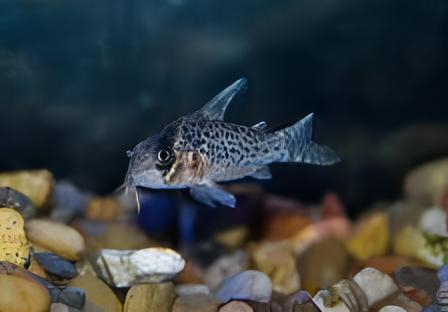
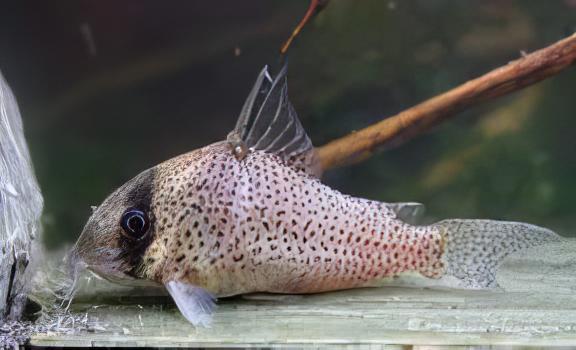
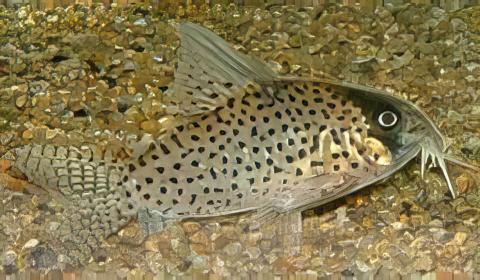
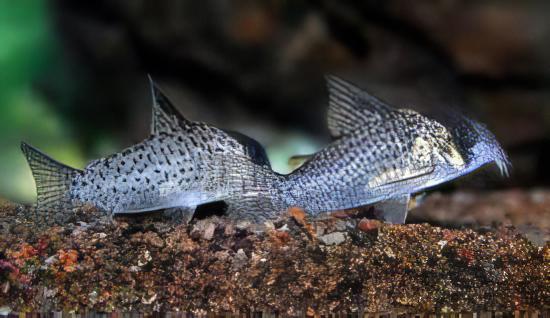


Description
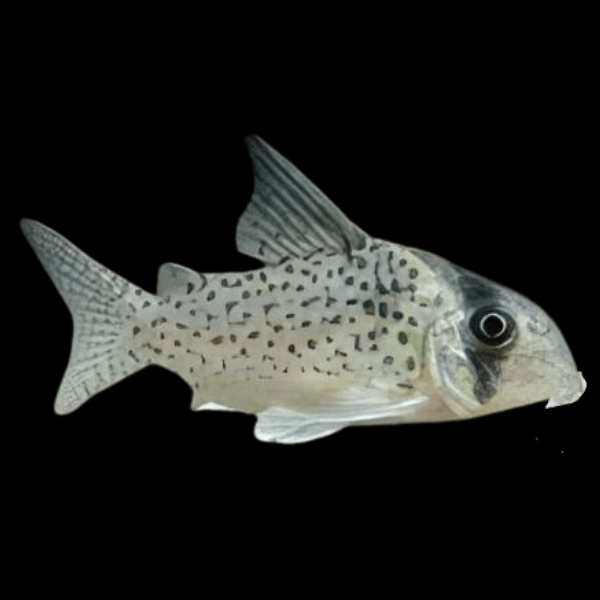
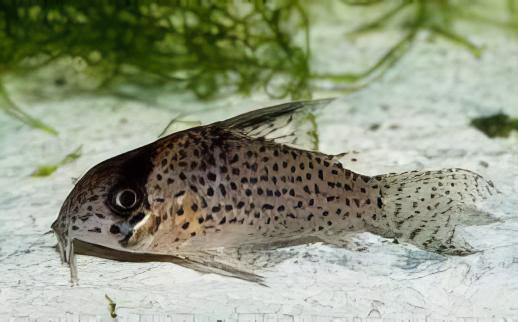
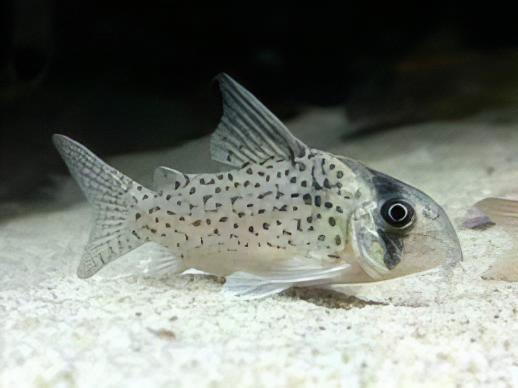
Kanes Corydoras Kanei
Etymology
Corydoras: from the ancient Greek κόρυς (korus), which means 'hull', and δορά (dora), which means 'skin, skin of an animal', alluding to the rows of boney plates on the flanks of the members of the genus.
Kanei: named in honour of Kane Grant, the author's son.
Classification
Order: Siluriformes Family: Callichthyidae
Distribution
The distribution of this species is not clear, but it seems to be native to the Negro River basin and is possibly restricted to the tributary of the Branco River.
The type locality is 'Aquarium specimen, which is said to be from Brazil, state of Roraima near Boa Vista, possibly the Branco River'.
Maximum standard length
40-50 mm.
Water conditions
Temperature: 20 – 26 ° C
pH: 5.5 – 7.5
Hardness: 36-179 ppm
Feeding
Catfish pellets and other sinking foods are a good staple, with frozen foods such as Cyclops, mosquito larvae and Daphnia a welcome treat.
Breeding
Mature pairs can be triggered into spawning by performing a large, slightly cooler water change. The pair will adopt the classic "T position” where the male fertilises the eggs that are held between the females pelvic fins. The adhesive eggs will then be deposited onto plants, decor, or the sides of the aquarium etc and the process repeated. The eggs generally take 3-4 days to hatch after which time the tiny fry should be offered finely powdered first foods. A few days later they will be able to take newly hatched brineshrimp. To avoid predation and ensure a higher success rate, many fishkeepers move the parents to another aquarium after the eggs have all been deposited.
Etymology
Corydoras: from the ancient Greek κόρυς (korus), which means 'hull', and δορά (dora), which means 'skin, skin of an animal', alluding to the rows of boney plates on the flanks of the members of the genus.
Kanei: named in honour of Kane Grant, the author's son.
Classification
Order: Siluriformes Family: Callichthyidae
Distribution
The distribution of this species is not clear, but it seems to be native to the Negro River basin and is possibly restricted to the tributary of the Branco River.
The type locality is 'Aquarium specimen, which is said to be from Brazil, state of Roraima near Boa Vista, possibly the Branco River'.
Maximum standard length
40-50 mm.
Water conditions
Temperature: 20 – 26 ° C
pH: 5.5 – 7.5
Hardness: 36-179 ppm
Feeding
Catfish pellets and other sinking foods are a good staple, with frozen foods such as Cyclops, mosquito larvae and Daphnia a welcome treat.
Breeding
Mature pairs can be triggered into spawning by performing a large, slightly cooler water change. The pair will adopt the classic "T position” where the male fertilises the eggs that are held between the females pelvic fins. The adhesive eggs will then be deposited onto plants, decor, or the sides of the aquarium etc and the process repeated. The eggs generally take 3-4 days to hatch after which time the tiny fry should be offered finely powdered first foods. A few days later they will be able to take newly hatched brineshrimp. To avoid predation and ensure a higher success rate, many fishkeepers move the parents to another aquarium after the eggs have all been deposited.
DX courier delivery is £20 per livestock order.
Delivery is scheduled for your selected delivery date and typically arrives before 1pm.
There is no minimum or maximum order value.
Additional information:
- In-stock livestock orders will be processed and dispatched for delivery on the date selected on the cart/basket page.
- Available delivery days are Wednesday, Thursday, Friday, and Saturday.
- If any stock issues affect your chosen delivery date, we will contact you as soon as possible by email or telephone.
- Shipping for dry goods is charged separately from livestock delivery. Dry goods are dispatched according to our standard delivery policy.
- All livestock remains covered by our 7-day guarantee.