



Description
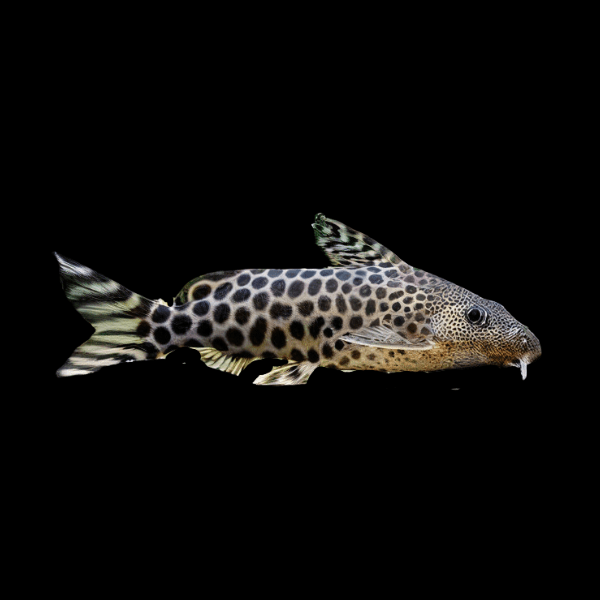
Leopard Catfish Synodontis Pardalis 5cm
Overview: The Leopard Catfish, scientifically known as Synodontis Pardalis, is a captivating addition to any freshwater aquarium. Known for its striking leopard-like spots and peaceful demeanor, this species can grow up to 8-10 inches in length. They are nocturnal creatures, often hiding during the day and becoming more active at night.
Origin: Native to the river basins of Central Africa, including the Congo, the Leopard Catfish thrives in a habitat with plenty of hiding spots. Their natural environment consists of slow-moving or standing waters with sandy or muddy bottoms.
Feeding: Leopard Catfish are omnivores with a preference for a varied diet. They do well on a diet of high-quality sinking pellets, supplemented with live or frozen foods such as bloodworms, brine shrimp, and daphnia. Vegetables like zucchini or cucumbers can also be offered occasionally.
Tank Mates: Being peaceful in nature, they are suitable for community tanks. Ideal tank mates include other African catfish, larger tetras, barbs, and similarly sized non-aggressive species. Avoid keeping them with very small fish or highly aggressive fish.
Aggression: Synodontis Pardalis exhibits low levels of aggression. They are generally peaceful towards other fish but can become territorial with their own kind or similar bottom-dwelling species. It's recommended to provide ample space and hiding places if housing more than one.
Experience Level: This species is suitable for intermediate to advanced aquarists. While not overly demanding, they require stable water conditions and a well-maintained tank to thrive.
Water Parameters:
Incorporating a Leopard Catfish into your aquarium not only adds a touch of exotic beauty but also contributes to a balanced ecosystem. Their unique appearance and peaceful nature make them a fascinating species to observe and care for.
Overview: The Leopard Catfish, scientifically known as Synodontis Pardalis, is a captivating addition to any freshwater aquarium. Known for its striking leopard-like spots and peaceful demeanor, this species can grow up to 8-10 inches in length. They are nocturnal creatures, often hiding during the day and becoming more active at night.
Origin: Native to the river basins of Central Africa, including the Congo, the Leopard Catfish thrives in a habitat with plenty of hiding spots. Their natural environment consists of slow-moving or standing waters with sandy or muddy bottoms.
Feeding: Leopard Catfish are omnivores with a preference for a varied diet. They do well on a diet of high-quality sinking pellets, supplemented with live or frozen foods such as bloodworms, brine shrimp, and daphnia. Vegetables like zucchini or cucumbers can also be offered occasionally.
Tank Mates: Being peaceful in nature, they are suitable for community tanks. Ideal tank mates include other African catfish, larger tetras, barbs, and similarly sized non-aggressive species. Avoid keeping them with very small fish or highly aggressive fish.
Aggression: Synodontis Pardalis exhibits low levels of aggression. They are generally peaceful towards other fish but can become territorial with their own kind or similar bottom-dwelling species. It's recommended to provide ample space and hiding places if housing more than one.
Experience Level: This species is suitable for intermediate to advanced aquarists. While not overly demanding, they require stable water conditions and a well-maintained tank to thrive.
Water Parameters:
- Temperature: 75-82°F (24-28°C)
- pH: 6.5-7.5
- Hardness: 4-15 dGH
Incorporating a Leopard Catfish into your aquarium not only adds a touch of exotic beauty but also contributes to a balanced ecosystem. Their unique appearance and peaceful nature make them a fascinating species to observe and care for.
DX courier delivery is £20 per livestock order.
Delivery is scheduled for your selected delivery date and typically arrives before 1pm.
There is no minimum or maximum order value.
Additional information:
- In-stock livestock orders will be processed and dispatched for delivery on the date selected on the cart/basket page.
- Available delivery days are Wednesday, Thursday, Friday, and Saturday.
- If any stock issues affect your chosen delivery date, we will contact you as soon as possible by email or telephone.
- Shipping for dry goods is charged separately from livestock delivery. Dry goods are dispatched according to our standard delivery policy.
- All livestock remains covered by our 7-day guarantee.