
Top 5 Tips for Pond Filtration: Keep Your Water Clear, Healthy and Low‑Maintenance
A well‑filtered pond isn’t just clearer — it’s healthier, easier to maintain, and far more enjoyable to live with. Whether you keep fish, wildlife, or simply want a beautiful water feature, good filtration is the backbone of a thriving pond ecosystem.
Here are the top five filtration tips every pond owner should know.
1. Match Your Filter to Your Pond Size (and Then Go Bigger)
One of the most common mistakes is choosing a filter that’s just big enough. In reality, ponds rarely stay at their original stock level — plants grow, fish multiply, and debris builds up.
A good rule of thumb: Choose a filter rated for at least 25–50% larger than your pond volume.
If you keep koi or goldfish, go even bigger. Fish produce more waste than wildlife ponds, so oversising your filter ensures stable water quality and reduces the risk of green water or ammonia spikes.

2. Combine Mechanical, Biological and UV Filtration
A truly effective filtration system uses all three stages:
-
Mechanical filtration traps debris like leaves, algae and fish waste.
-
Biological filtration houses beneficial bacteria that break down ammonia and nitrite.
-
UV clarifiers kill free‑floating algae, preventing green water.
All‑in‑one systems (like the Oase Filtral or PondXpert Triple Action range) combine these into a compact unit — ideal for small to medium ponds. For larger ponds, a pressurised filter with a separate pump gives more power and flexibility.
3. Keep Your Filter Pump Running 24/7
Pond filtration only works when water is constantly moving. Turning your pump off overnight allows:
-
Ammonia to build up
-
Oxygen levels to drop
-
Beneficial bacteria to die back
-
Algae to take advantage of stagnant water
A pond pump is designed for continuous use and costs surprisingly little to run. Keeping it on 24/7 is one of the simplest ways to maintain crystal‑clear water.

4. Clean Your Filter the Right Way (Not With Tap Water!)
Your filter media is home to millions of beneficial bacteria. These bacteria are essential for breaking down fish waste — but they’re also fragile.
When cleaning your filter:
-
Never use chlorinated tap water
-
Rinse sponges in a bucket of pond water instead
-
Avoid over‑cleaning — only wash what’s necessary
This preserves the bacteria colony and keeps your biological filtration working at full strength.
5. Support Your Filter With Plants and Good Pond Design
Filtration isn’t just about equipment — your pond’s layout plays a huge role too.
Add oxygenating plants
Hornwort, elodea and water crowfoot help absorb excess nutrients and improve oxygen levels.
Shade the water
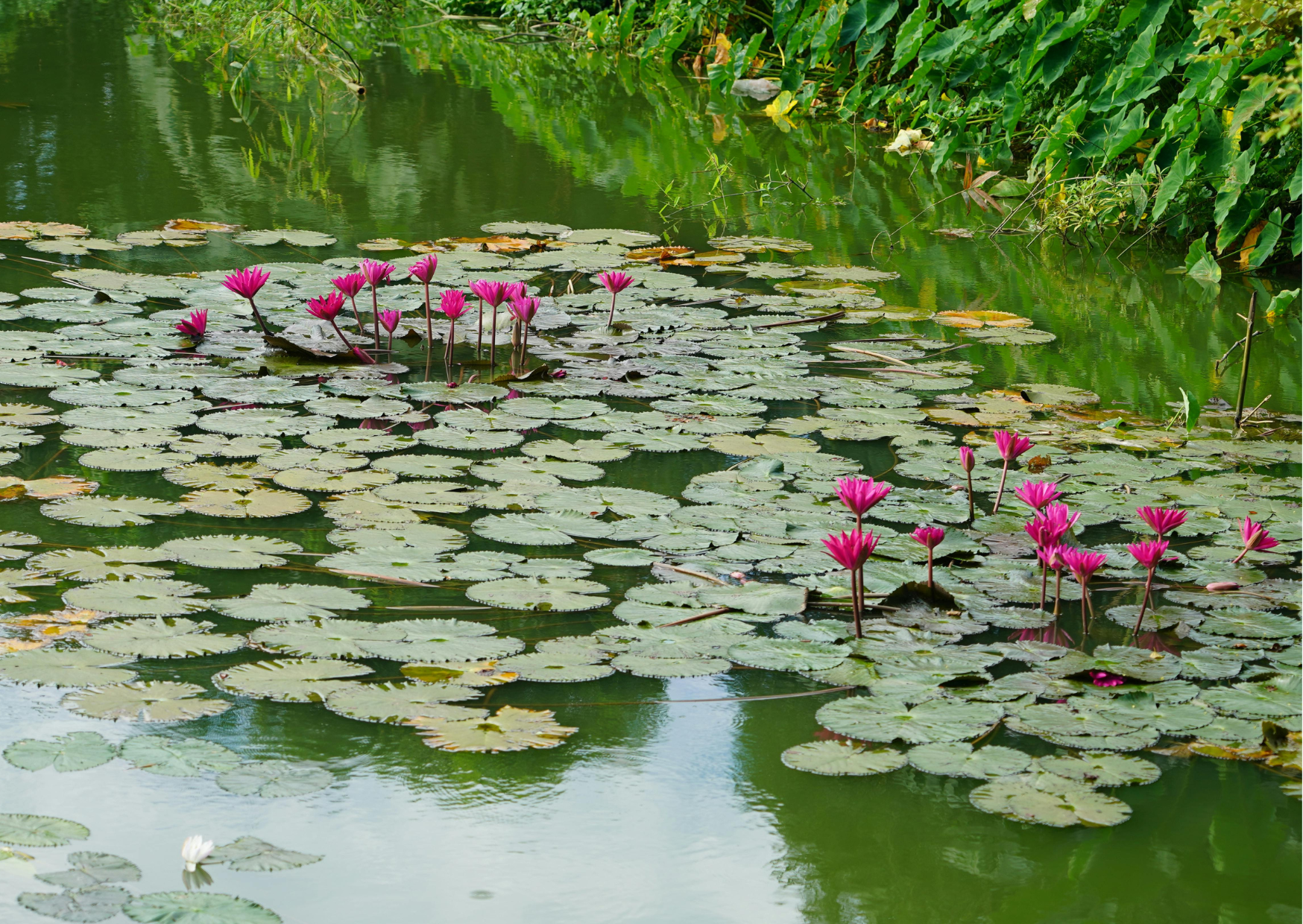
Lilies and floating plants reduce sunlight penetration, slowing algae growth.
Avoid dead spots
Make sure your pump circulates water evenly around the pond. Stagnant corners become algae hotspots.
A well‑designed pond reduces the workload on your filter and creates a more natural, balanced ecosystem.
Final Thoughts
Great pond filtration isn’t complicated — it’s about choosing the right system, running it consistently, and supporting it with good pond habits. Whether you’re building a new pond or upgrading an older setup, following these five tips will keep your water clear, your fish healthy, and your maintenance low.
To browse Real Aquatic's range of Pond Filters please click here.
To browse Real Aquatics range of Pressurized Pond Filters online please click here.
Photo credit(s): Canva Pro Licence
Related keyword searches: Filters for Garden Ponds, Wildlife Pond Filter, Pond Filtration.


