
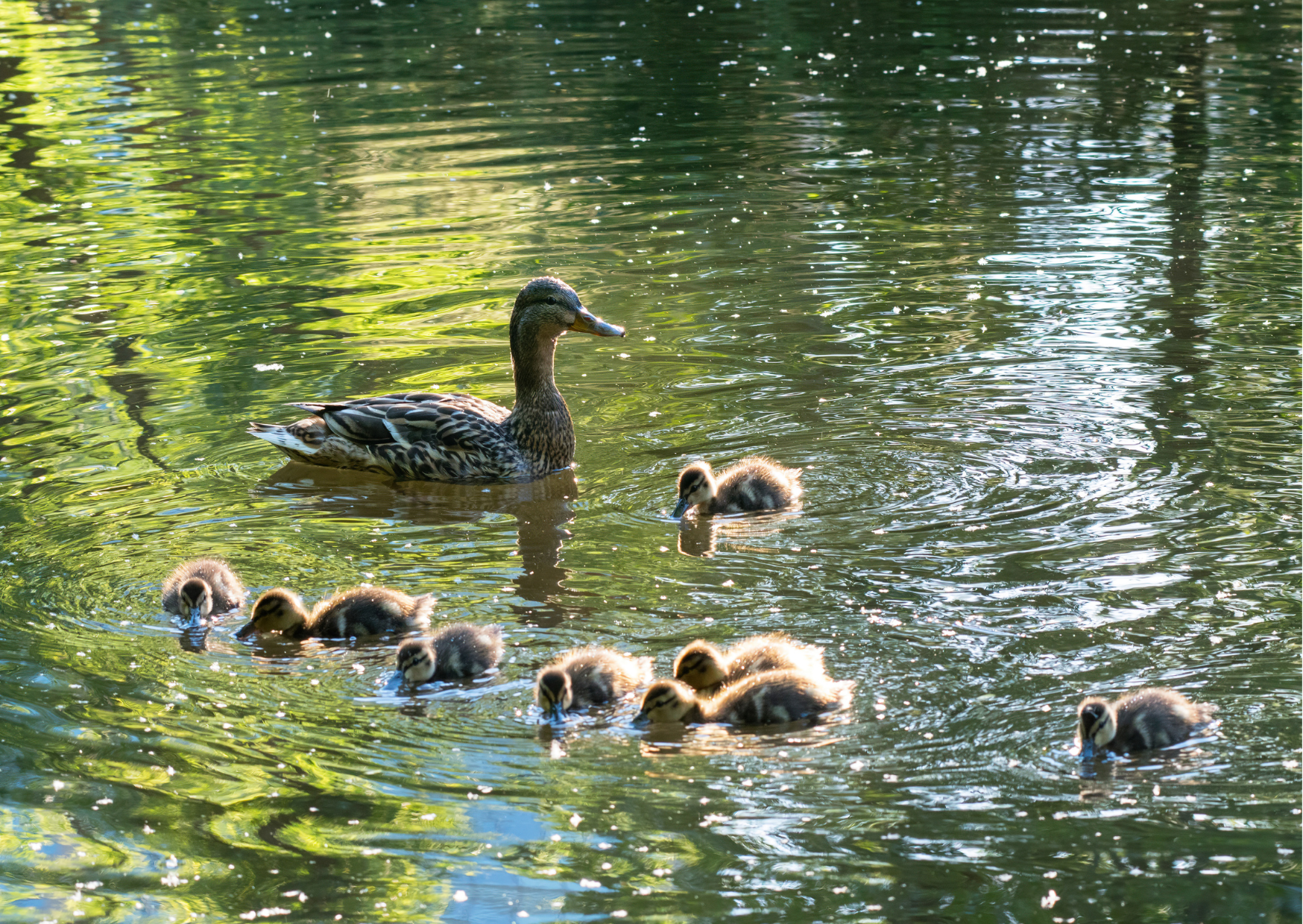
Are Ducks Good for a Garden Pond?
Ducks are a charming sight in any garden, and many pond owners enjoy the idea of welcoming them as regular visitors. However, while ducks can bring life and movement to an outdoor space, they also introduce challenges that can affect water quality, plant health, and the overall balance of a pond. Whether ducks are suitable for your garden pond depends on the type of pond you have, how it is maintained, and what you want it to support.
The Benefits of Ducks in a Pond Environment
There are some positives to having ducks around a pond, especially in larger, naturalistic settings. Ducks help control certain insects and aquatic pests by feeding on larvae, snails, and small invertebrates. Their movement can also help prevent surface stagnation, reducing the likelihood of mosquito breeding. For wildlife enthusiasts, ducks add natural behaviour and seasonal interest, making the pond feel more like a miniature wetland.
In larger wildlife ponds with strong planting, deep margins, and robust filtration from natural processes, occasional duck visits rarely cause long‑term issues. These ponds are designed to cope with fluctuating nutrient levels and can recover quickly from minor disturbances.

The Problems Ducks Can Cause in Garden Ponds
Despite their appeal, ducks can be problematic for most domestic ponds. The biggest issue is nutrient loading. Duck droppings are extremely high in nitrogen and phosphorus, which can quickly lead to algae blooms, green water, and blanketweed. Even a single pair of ducks can overwhelm the biological balance of a small or medium‑sized pond.
Ducks also uproot and eat pond plants, especially marginal species and floating vegetation. Their constant dabbling disturbs sediment, clouds the water, and damages delicate ecosystems. In ornamental ponds, ducks can injure or stress fish, particularly koi and fancy goldfish, which are not adapted to sharing space with waterfowl. They may also introduce parasites or pathogens carried from other water bodies.
For wildlife ponds, the presence of ducks can reduce biodiversity. Tadpoles, newts, dragonfly larvae, and other pond life are all vulnerable to predation or habitat disruption. Over time, a pond that regularly hosts ducks can shift from a balanced wildlife habitat to a nutrient‑rich, plant‑poor environment dominated by algae.
What About Grebes and Other Fish‑Eating Birds?
While ducks mainly cause issues through nutrient loading and plant disturbance, some pond owners also encounter grebes, which present a different challenge. Grebes are highly skilled diving birds and are efficient predators of small fish. In natural lakes this is part of a balanced ecosystem, but in a garden pond the impact can be significant. Grebes can quickly reduce populations of sticklebacks, minnows, and even juvenile goldfish, particularly in clear water where hunting is easier. Their repeated diving can also disturb sediment and stress fish already living in a confined environment. For ornamental or stocked ponds, grebes are best discouraged, as even short visits can noticeably affect fish numbers.

When Ducks Are Suitable and When They Are Not
Ducks are best suited to large, natural ponds with strong planting, deep water, and plenty of space for the ecosystem to absorb the impact of their presence. These ponds often have natural inflow and outflow, which helps dilute nutrients and maintain water quality.
They are not suitable for small garden ponds, ornamental koi ponds, formal water features, or wildlife ponds designed to support amphibians and invertebrates. In these environments, even short‑term duck activity can cause lasting damage.
If you enjoy seeing ducks, the safest approach is to allow them to visit briefly without encouraging them to stay. Avoid feeding them, and consider using planting barriers or floating protection rings to safeguard vulnerable plants.
Conclusion
Ducks can be delightful visitors, but they are rarely beneficial long‑term residents in a garden pond. Their waste, feeding habits, and natural behaviours can quickly upset the balance of both ornamental and wildlife ponds. For most pond keepers, the best strategy is to appreciate ducks from a distance while maintaining a healthy, stable pond ecosystem that supports a wide range of native species.
To browse wildlife ponds available at Real Aquatics please click here.
To browse Real Aquatic's range of heron deterrents for garden ponds please click here.
Photo credit(s): Shutterstock
Related keyword searches: ducks, pond cleaner, koi ponds.


