
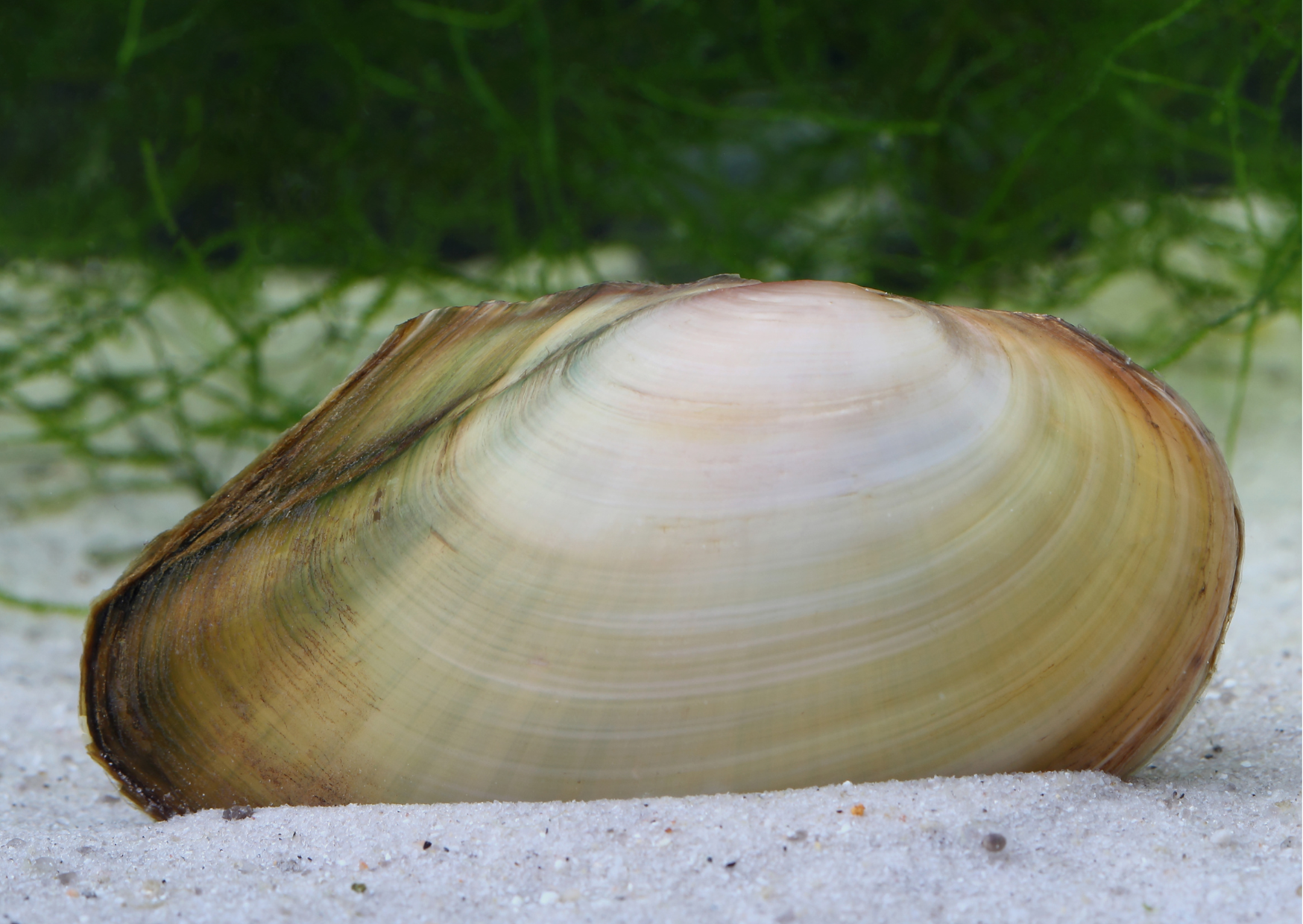
Swan Mussels in Aquariums: Are They Suitable, Safe, and Worth Keeping?
Swan mussels (Anodonta cygnea) are often sold in aquatic shops as natural “water filters” or as interesting additions to cold‑water aquaria. However, despite their popularity, they are not well suited to indoor tanks and require very specific conditions to survive long‑term. This guide explains their natural behaviour, care needs, risks, and whether they truly belong in an aquarium.
What Are Swan Mussels?
The swan mussel is a large native freshwater bivalve found across the British Isles, Europe, and into Siberia. In the wild, they inhabit muddy or silty substrates in lakes, canals, and slow‑moving rivers, where they bury themselves with only their siphons exposed.
They are filter feeders, drawing water through their inhalant siphon, passing it over their gills, and expelling it through the exhalant siphon. This process allows them to feed on fine suspended particles and infusoria, not on debris or algae as commonly assumed.
Are Swan Mussels Suitable for Aquariums?
Short answer: No — they rarely survive long‑term in aquaria.
Multiple aquatic sources state that swan mussels are not recommended for indoor aquariums because they struggle to obtain enough natural microscopic food. They fare far better in large, mature outdoor ponds with abundant natural infusoria and organic particles.
In aquariums, water is typically:
Too clean
Too low in suspended micro‑foods
Too stable to mimic natural sediment turnover
This leads to starvation, even when the mussel appears fine for weeks or months.
Feeding Challenges in Aquaria
Swan mussels require a constant supply of microscopic suspended food. In ponds, this occurs naturally. In aquaria, it does not.
Some aquarists attempt to feed them with liquid foods, but these can easily pollute the tank and still fail to meet their nutritional needs. One documented method involves removing the mussel to a separate feeding tank and adding liquid food and infusoria several times per week — a labour‑intensive process unsuitable for most keepers.
Do Swan Mussels Clean the Water?
This is a common misconception.
While they do filter water, they also produce waste, and they do not function like a mechanical or biological filter. They cannot replace filtration and may actually contribute to water quality issues if they die unnoticed — which is common in aquaria.
A dead mussel can quickly foul the water and cause ammonia spikes.
Risks to Fish
Swan mussels have a specialised reproductive cycle involving parasitic larvae called glochidia, which attach to fish until they develop into juvenile mussels. These larvae typically cause minimal harm, but there is still a risk of skin irritation or secondary infection, especially in confined aquarium environments.
For this reason, some experts advise not keeping swan mussels with fish in small systems.

Environmental Requirements
To thrive, swan mussels need:
Soft, muddy or silty substrate for burrowing
Gentle water movement with good oxygenation
Neutral to alkaline water (pH 6.8–8.0)
Cool temperatures (2–24°C)
High levels of natural infusoria
A mature, unfiltered wildlife pond environment
These conditions are extremely difficult to replicate indoors.
Lifespan and Size
Swan mussels can reach 15–20 cm and live up to 12 years in the wild, though they typically live far shorter lives in aquaria due to unsuitable conditions.
Their large size also means they require deep substrate and plenty of space.

Are Swan Mussels Good for Ponds?
Yes — in the right type of pond.
They are best suited to:
Mature wildlife ponds
Natural, unfiltered systems
Ponds with muddy bottoms
Environments rich in natural micro‑life
They are not suitable for:
Small ornamental ponds
Highly filtered or very clear ponds
In filtered ponds, they often starve because the water is too clean.
Conclusion: Should You Keep Swan Mussels in an Aquarium?
For most aquarists, the answer is no.
Swan mussels are fascinating native animals, but they are poor candidates for aquarium life. Their specialised feeding needs, sensitivity to water conditions, and reliance on natural infusoria make them far better suited to large, mature outdoor ponds.
If you want a natural pond filter or an interesting invertebrate for an aquarium, there are far more suitable alternatives. Swan mussels should be appreciated as part of a balanced pond ecosystem — not forced into environments where they cannot thrive.
To find Real Aquatics products related to Swan Mussels please click here.
To browse Real Aquatic's range of aquarium filtration products please click here.
Photo credit(s): Shutterstock, Real Aquatics, Canva Pro Licence
Related keyword searches: Oysters, pond filtration, organic filtration.


