News and Blogs

Mo Mammals Mo Plankton: The Blue Whale
In our regular blog feature, 'More Mammals More Plankton', we explore notable sea mammals, past, present and extinct. Today, we profile the Blue Whale.
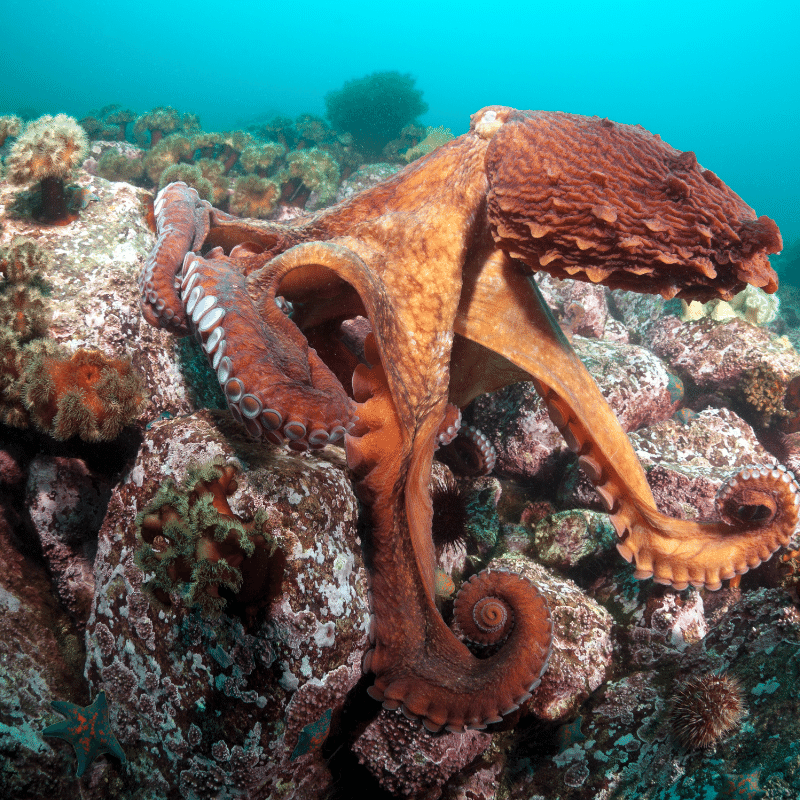
Lords of the Sea: The Giant Pacific Octopus
In our regular blog feature, Lords of the Sea, we look at the apex predators of the sea - those species who are generally top of their respective food chains. Today, we profile the North Pacific Giant Octopus, Enteroctopus dofleini.
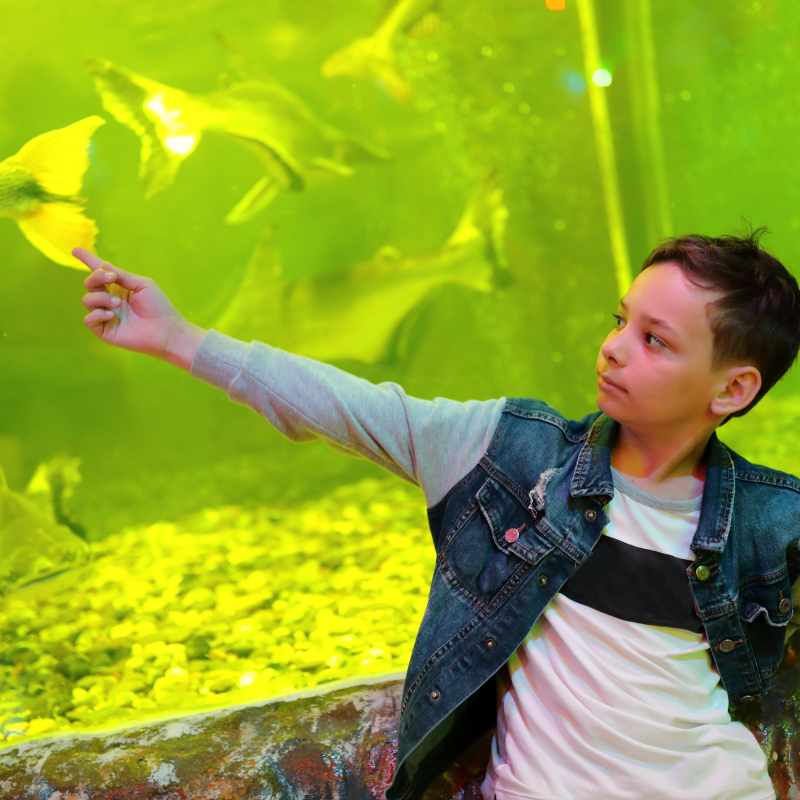
Are aquariums good for kids?
This is a question we get asked all the time. Are fish tanks beneficial for my children? Well, many parents who are fish-keepers will attest to the benefits they see from ownership of an aquarium in a household with kids.
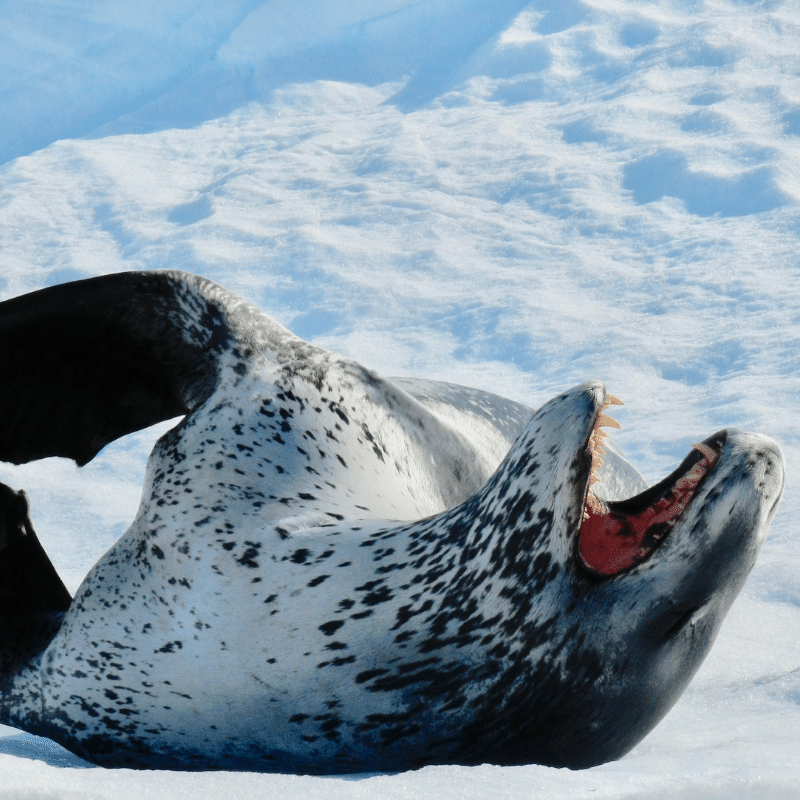
Lords of the Sea: The Leopard Seal
In our regular blog feature, Lords of the Sea, we look at the apex predators of the sea - those species who are generally top of their respective food chains. Today, we profile the Leopard Seal, lord of the Antarctic.
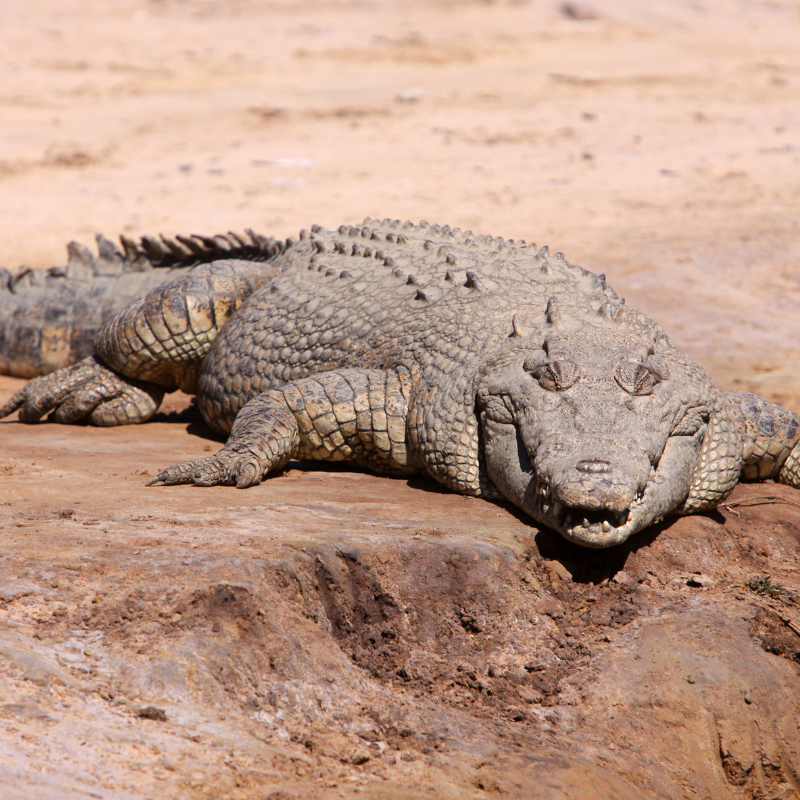
Lords of the Sea: The Saltwater Crocodile
In our regular blog feature, Lords of the Sea, we look at the apex predators of the sea - those species who are generally top of their respective food chains. Today, we profile the Saltwater Crocodile.
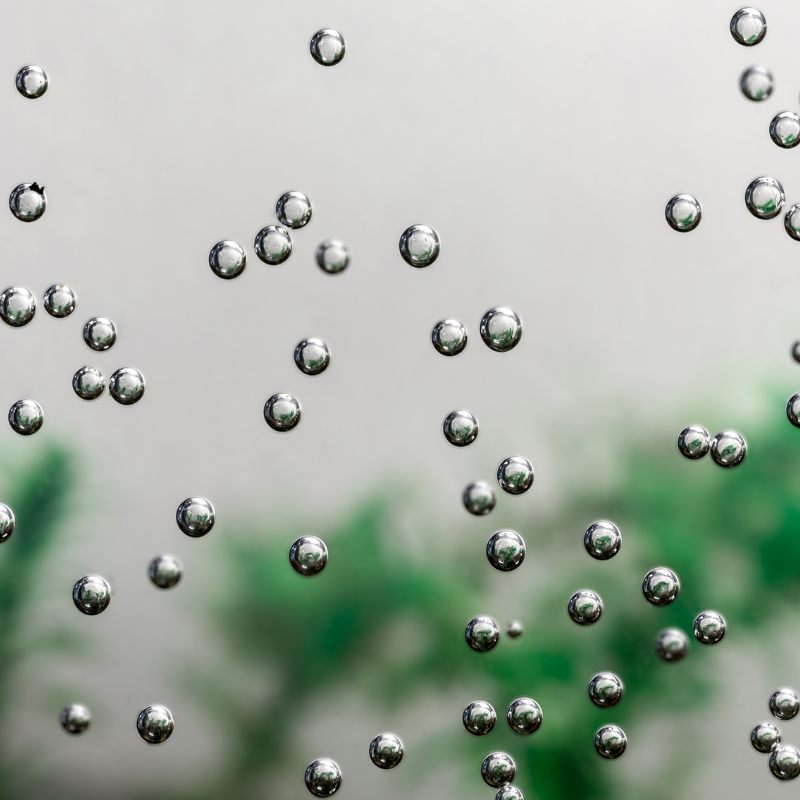
Bubbles in an Aquarium: Filling your Tank from New
Have mysterious air bubbles appeared in your fish tank? In this series of blogs, we explore theories of where the bubbles originate from and how to resolve them.

Tropica: Celebrating 50 Years Under the Surface
50 Years Under the Surface is a softcover book for the 50th anniversary of Tropica documenting their exciting history. Experienced and professional aquarists contribute to the story and talk about their connections to aquascaping.
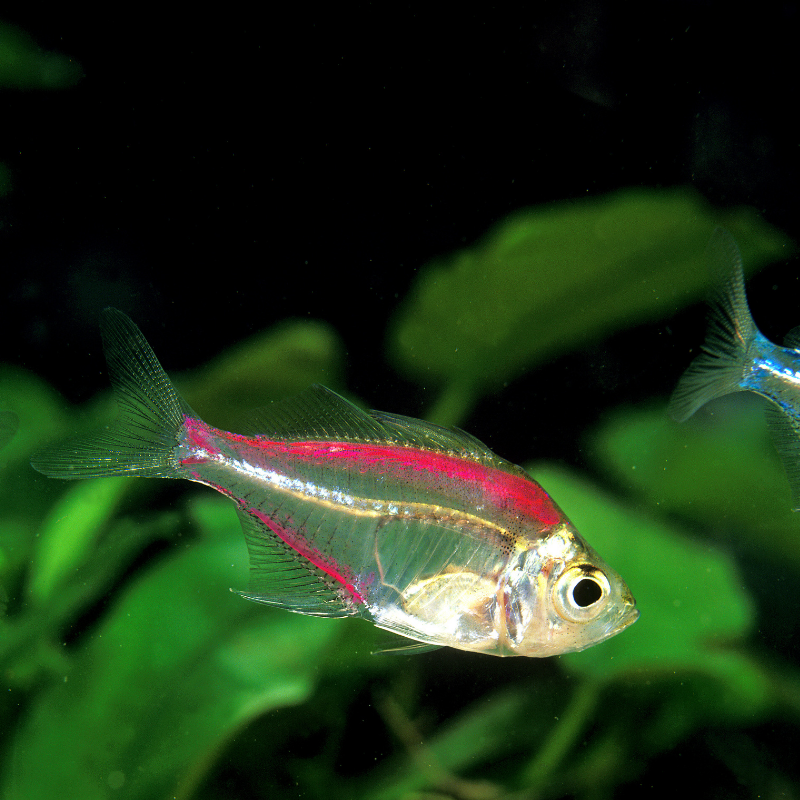
What are painted, tattooed or dyed fish?
Fish are typically dyed with fluorescent pigments by a variety of processes including injection, tattooing or interfering with the skin by using lasers or chemicals so dye is readily absorbed.

Are painted or dyed fish illegal in the UK?
'Painting' fish with dye is a practice that is commonly frowned upon by most retailers, and is generally discouraged industry-wide on ethical grounds.
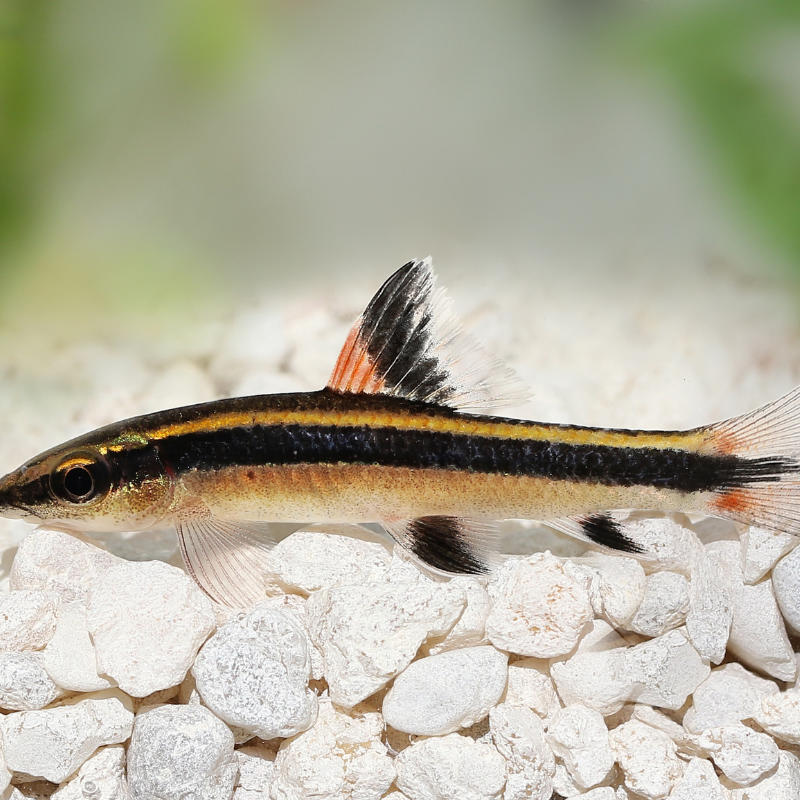
Do Flying Foxes eat lots of algae?
The flying fox (Epalzeorhynchos kalopterus) is a Southeast Asian species of freshwater fish in the family Cyprinidae. It is known to eat green algae. It is sometimes mistakenly referred to as the Siamese algae eater.