News and Blogs
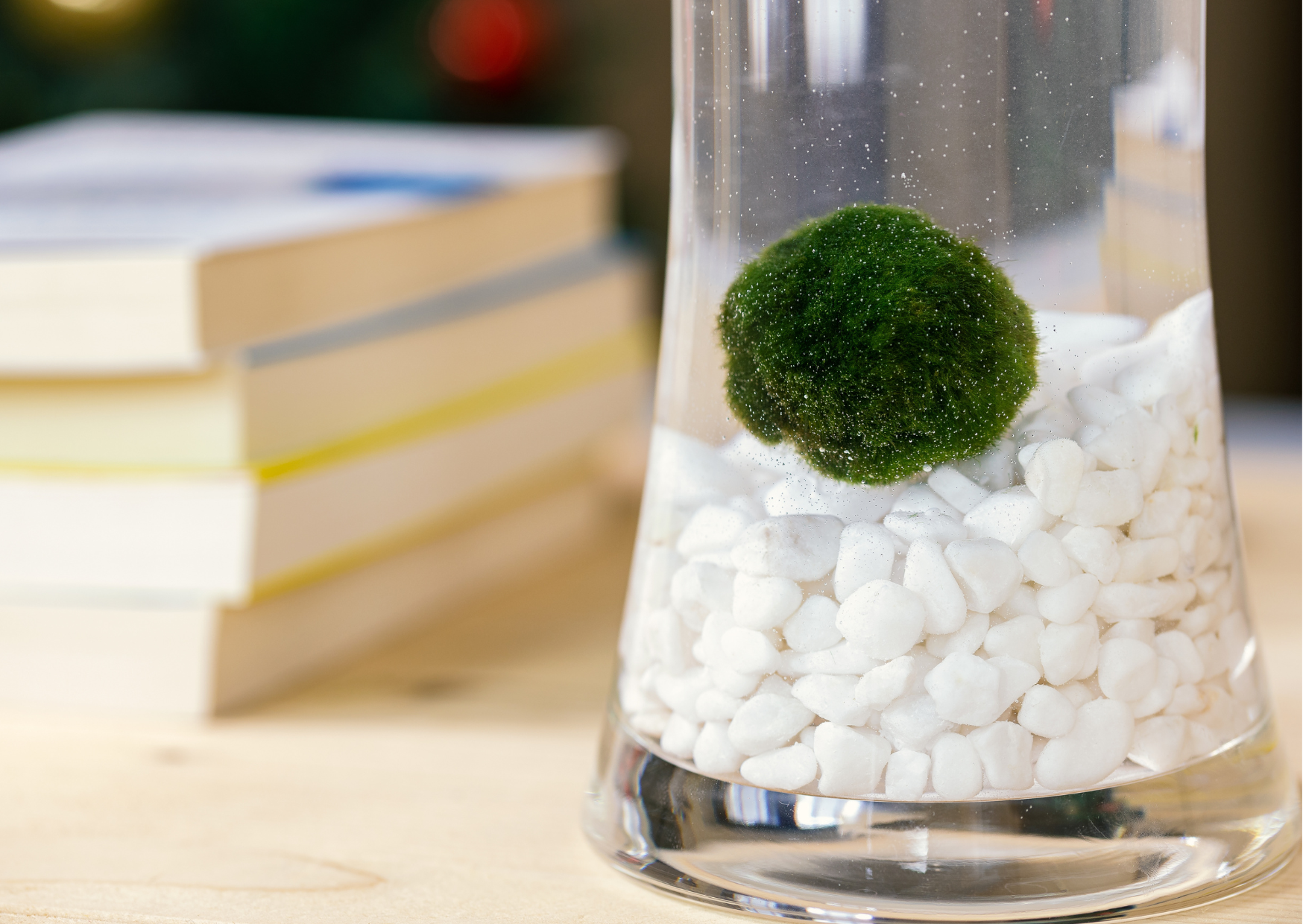
Why Marimo Moss Balls Are Perfect for Ornamental Jars
Marimo moss balls have become a favourite in the aquatics world—not just for aquariums, but for decorative jars, desk displays, and minimalist home décor.
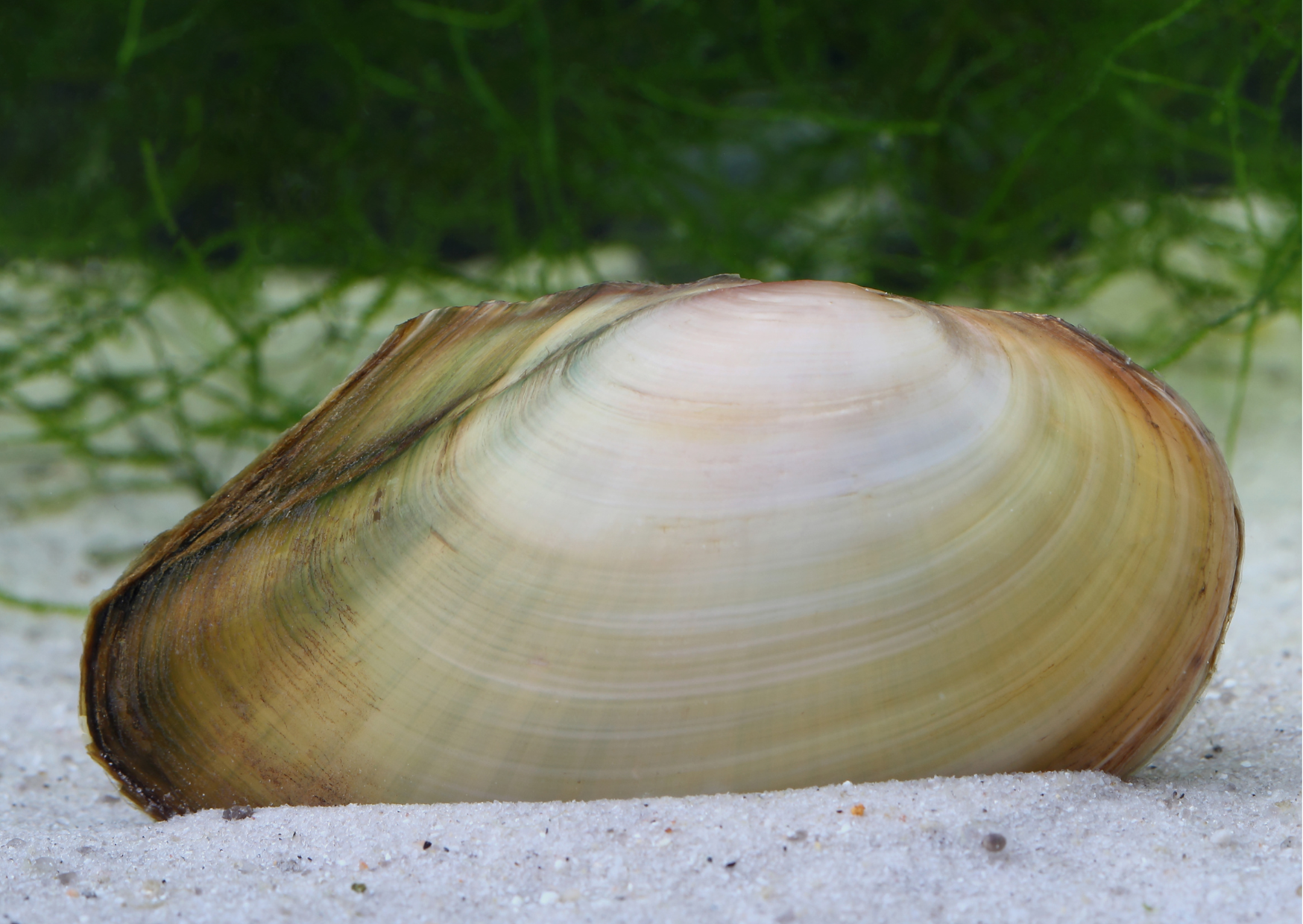
Swan Mussels in Aquariums: Are They Suitable?
Swan mussels (Anodonta cygnea) are often sold in aquatic shops as natural “water filters” or as interesting additions to cold‑water aquaria. However, despite their popularity, they are not well suited to indoor tanks.
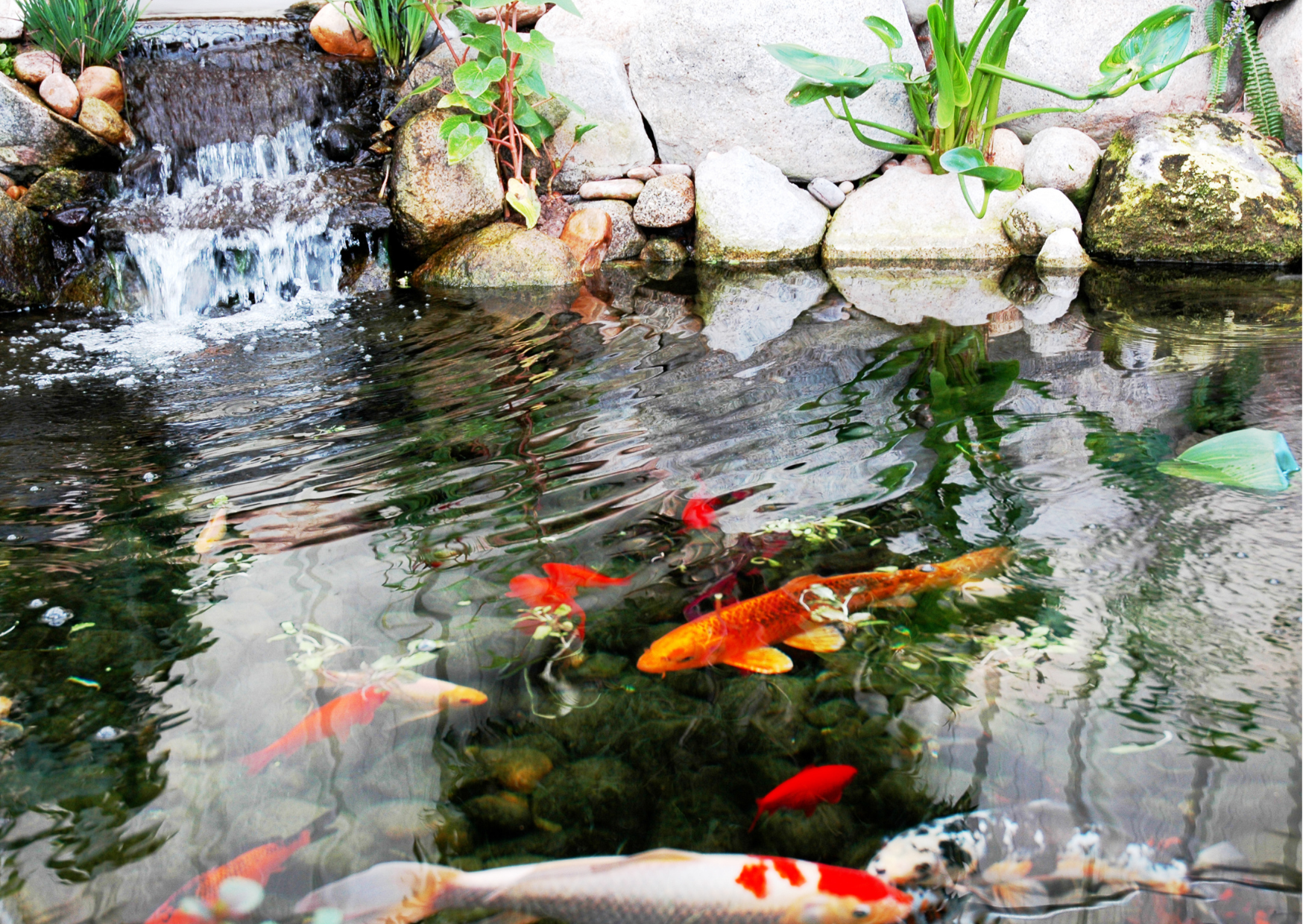
What Is a Pressurised Pond Filter?
Pressurised pond filters are a great choice for small to medium ponds, wildlife ponds that need discreet equipment, and setups where you want a waterfall or raised outlet without installing a gravity-fed system.
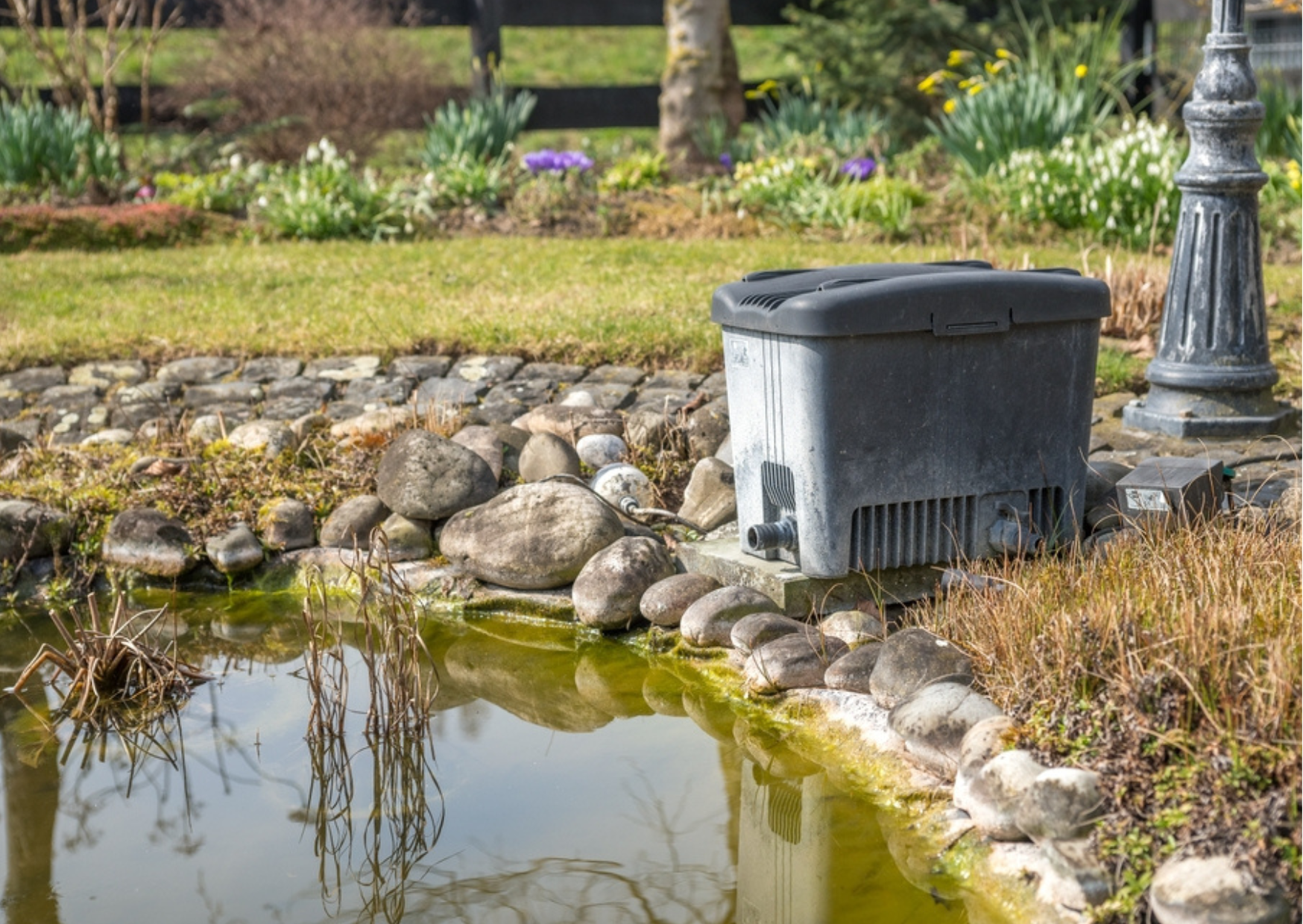
What Is a Gravity‑Fed Pond Filter?
If you’re planning a new pond build or upgrading your filtration, a gravity‑fed system is well worth considering — especially if long‑term performance and water quality are your top priorities.
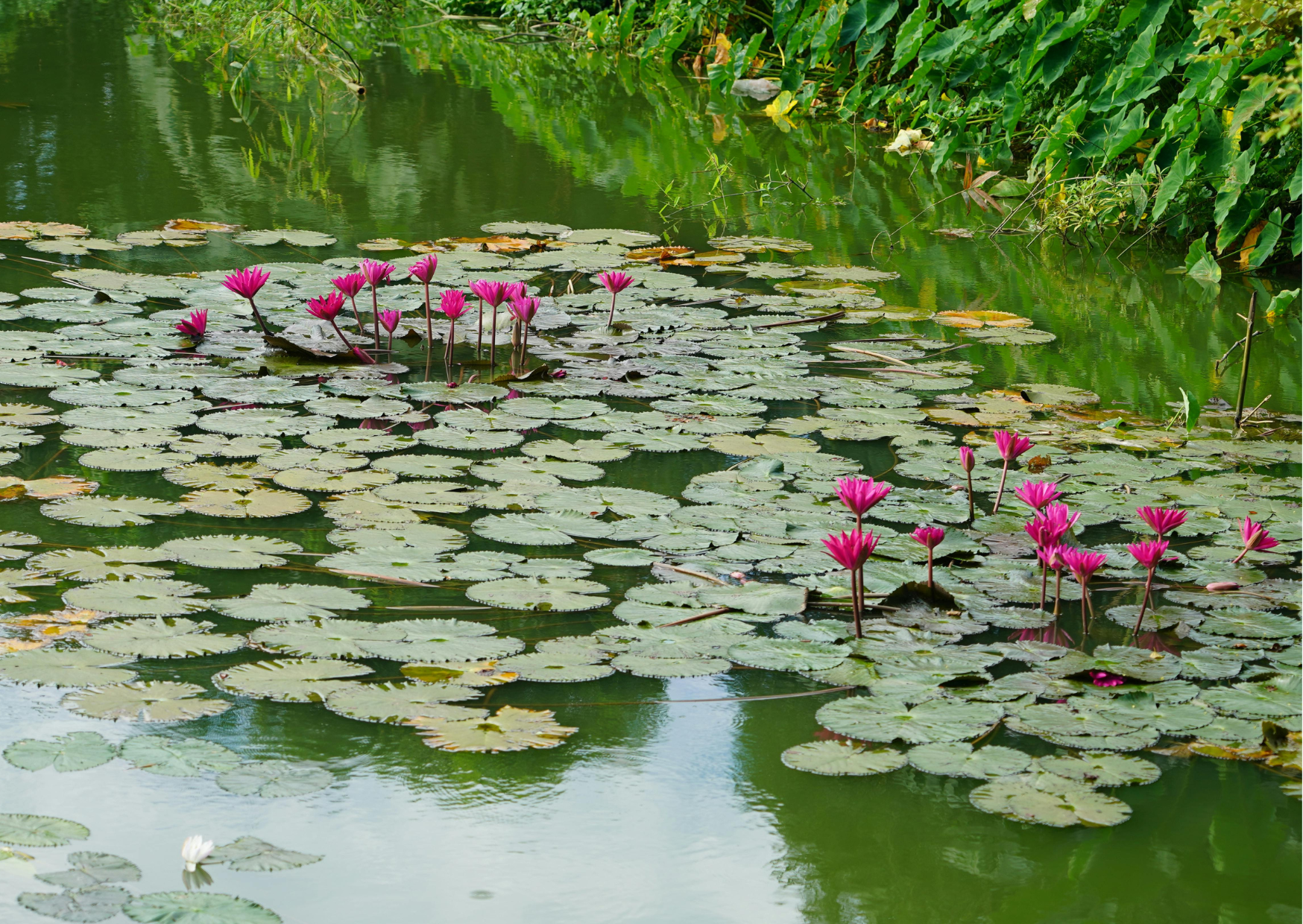
Top 5 Tips for Pond Filtration
Great pond filtration isn’t complicated — it’s about choosing the right system, running it consistently, and supporting it with good pond habits.
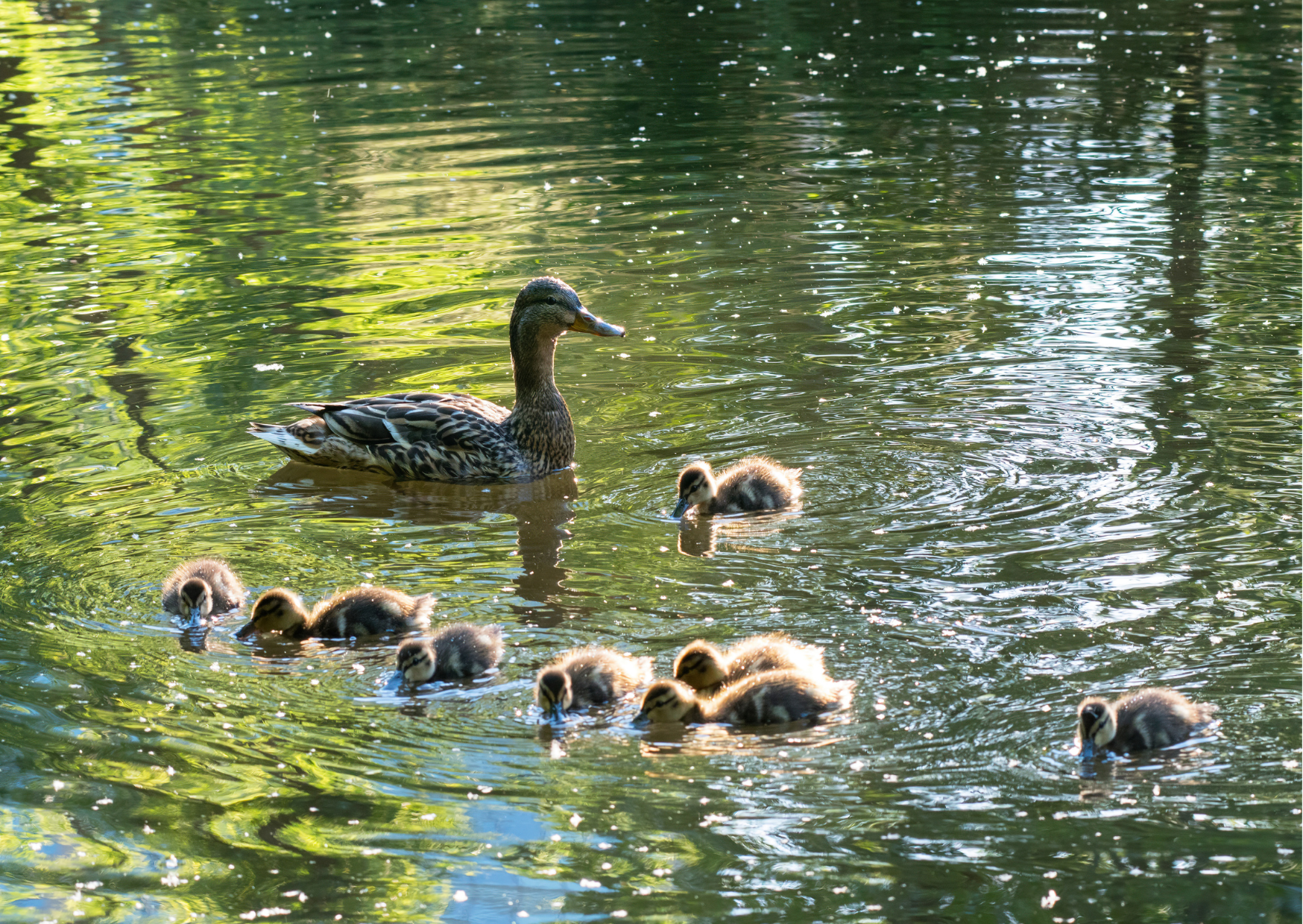
Are Ducks Good for a Garden Pond?
Ducks are best suited to large, natural ponds with strong planting, deep water, and plenty of space for the ecosystem to absorb the impact of their presence. These ponds often have natural inflow and outflow, which helps dilute nutrients and maintain water quality.
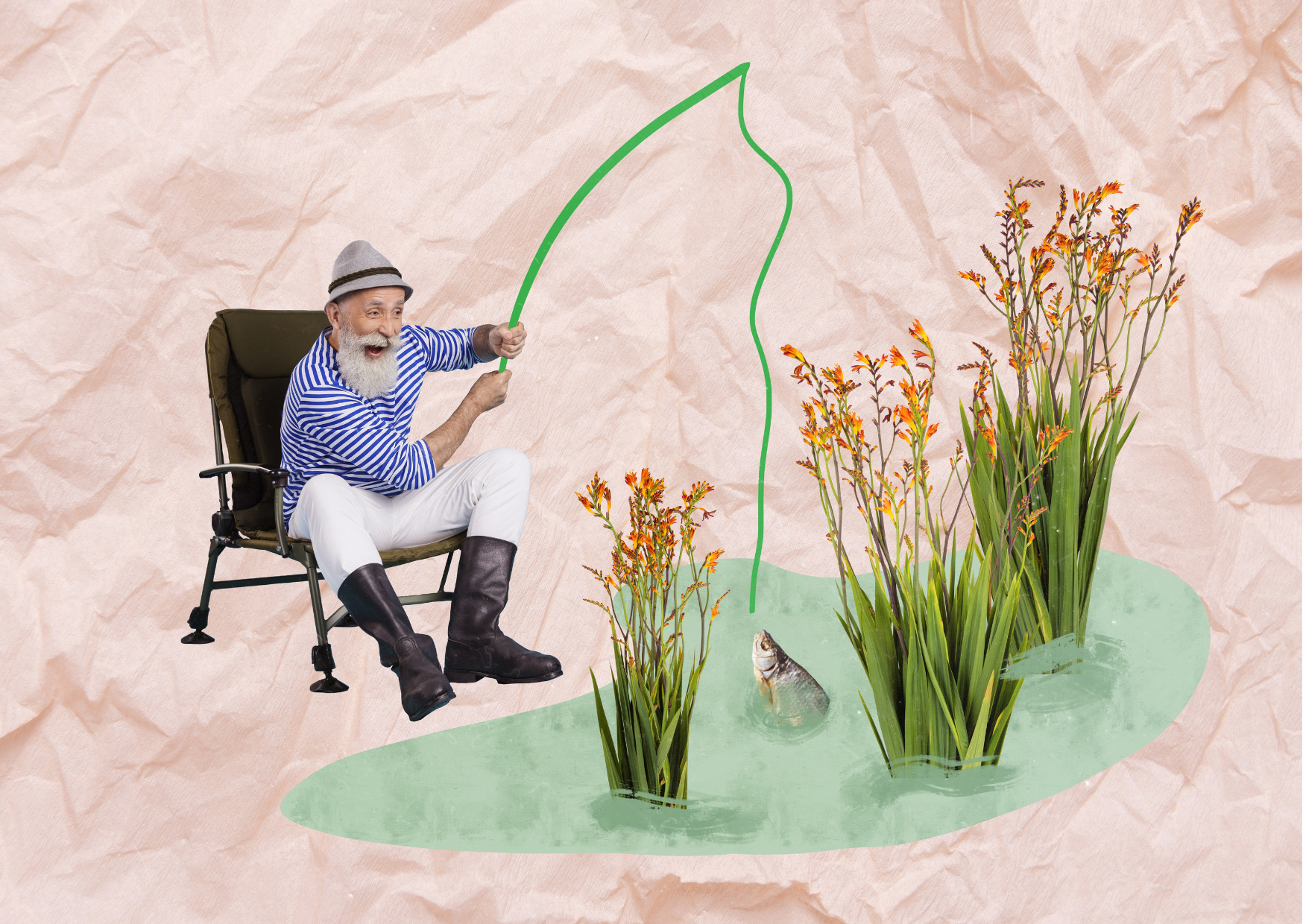
Can You Go Fishing in Your Own Garden Pond?
Before even considering it, you need to think about the welfare of the fish, the stress caused by hooking, and whether the pond environment can handle the disturbance.

What is a Refugium?
A refugium is essentially a safe, separate space within a marine or freshwater aquarium system that allows beneficial organisms, plants, or macroalgae to thrive without being disturbed by fish or other tank inhabitants.

How to Cycle a Fish Tank | Video
Learn how to properly cycle an aquarium filter before adding fish — a quick, step-by-step trust-builder for healthy tanks in just 2 minutes. This video covers fishless cycling, establishing beneficial bacteria, monitoring ammonia.