News and Blogs
OATA Care Guide: Catfish
OATA produce a good range of free care sheets for coldwater, tropical freshwater and marine fish as well as for invertebrates, aquatic reptiles and plants. Catfish are a popular addition to a tropical set-up. They are found throughout the world’s freshwater systems and are often sourced from Asia, South America and the African lakes.
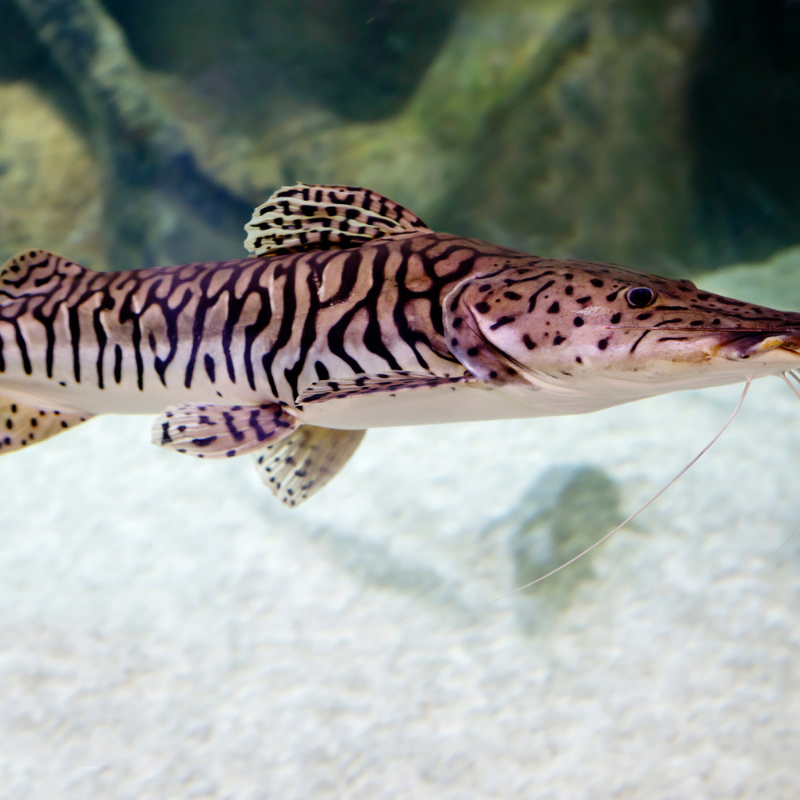
What can I keep with Shovelnose Catfish?
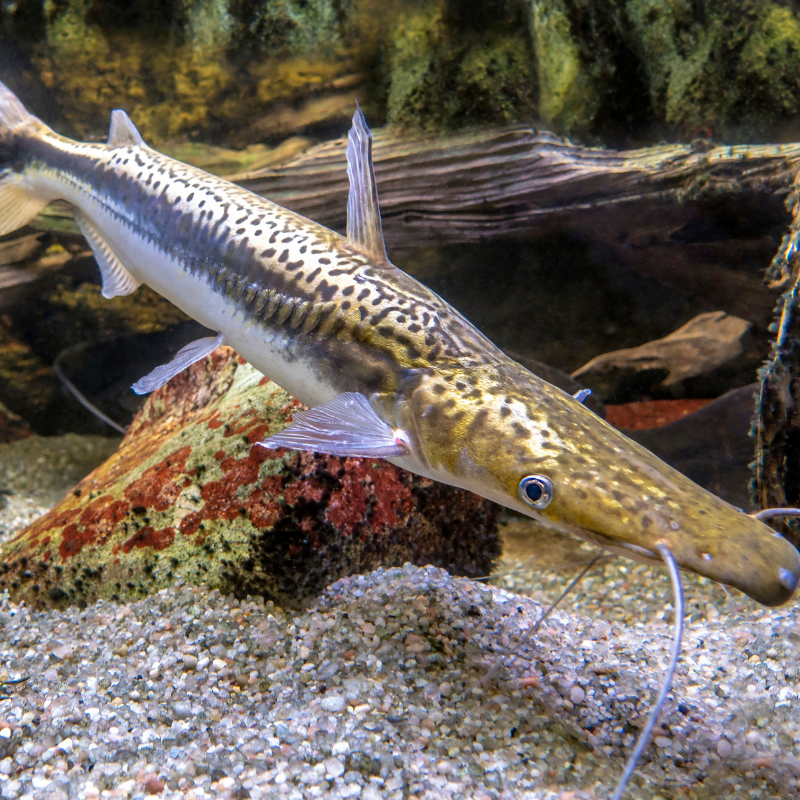
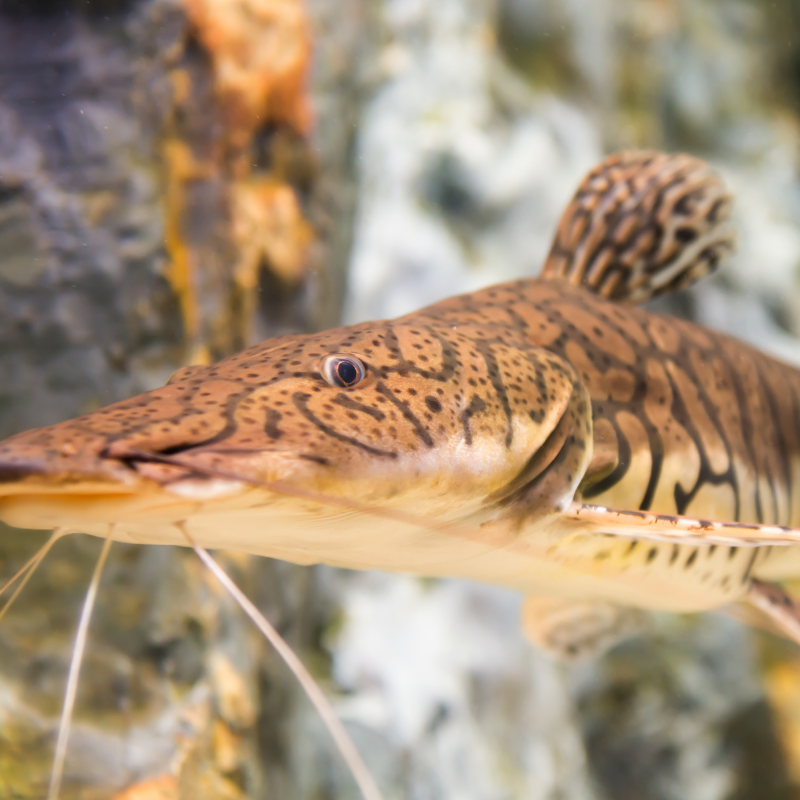
The Shovelnose catfish (Pseudoplatystoma sp.) originates from South America, and are so-named for its long, flat and wide snout, giving the appearance of a shovel.
Are Shovelnose Catfish aggressive?
Shovelnose catfish are often found in dense vegetation in the wild, so a shady, heavily planted aquarium with driftwood and rocks is recommended. The shovelnose uses its barbel's to both navigate in dark murky waters and hunt for prey.
Are Shovelnose Catfish difficult to keep?
You will need a very large aquarium for long-term care, and must pay close attention to the needs and compatible tankmates of the shovelnose catfish. It is essential to do some thorough research before deciding to keep one.
How often should I feed an L081 Golden Nugget Pleco?
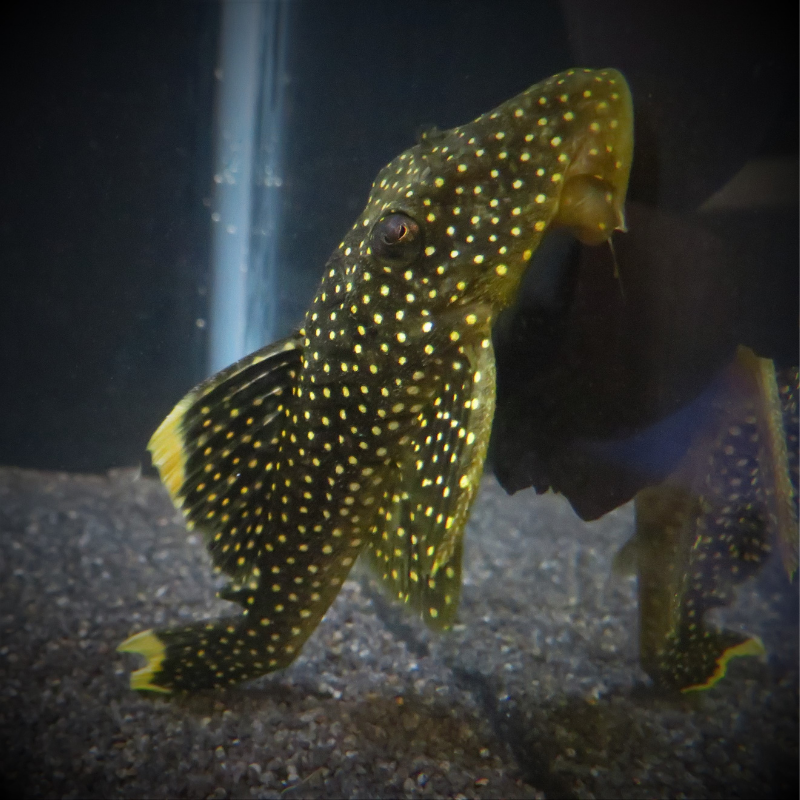
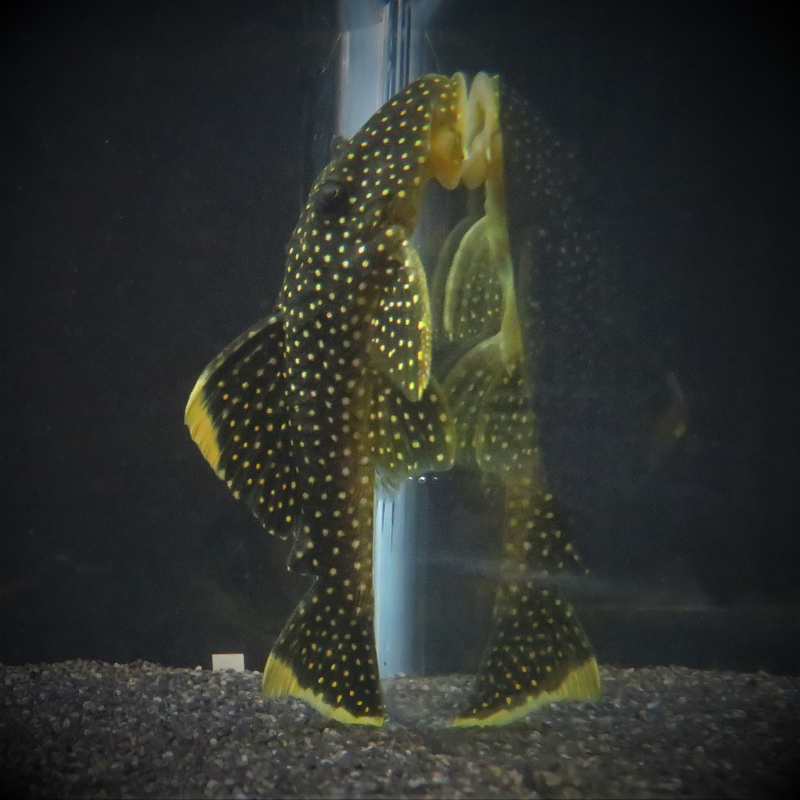
Baryancistrus sp. pleco's are often under-nourished and can be quite fussy to adapt to new feed or conditions, so taking the time to monitor feeding under an extended period of acclimatisation is recommended.
How big do L081 Gold Nugget plecos get?
Golden Nugget pleco's can be housed quite happily with most community fish, and semi-aggressive but non-territorial fish mid to top-level swimming species.
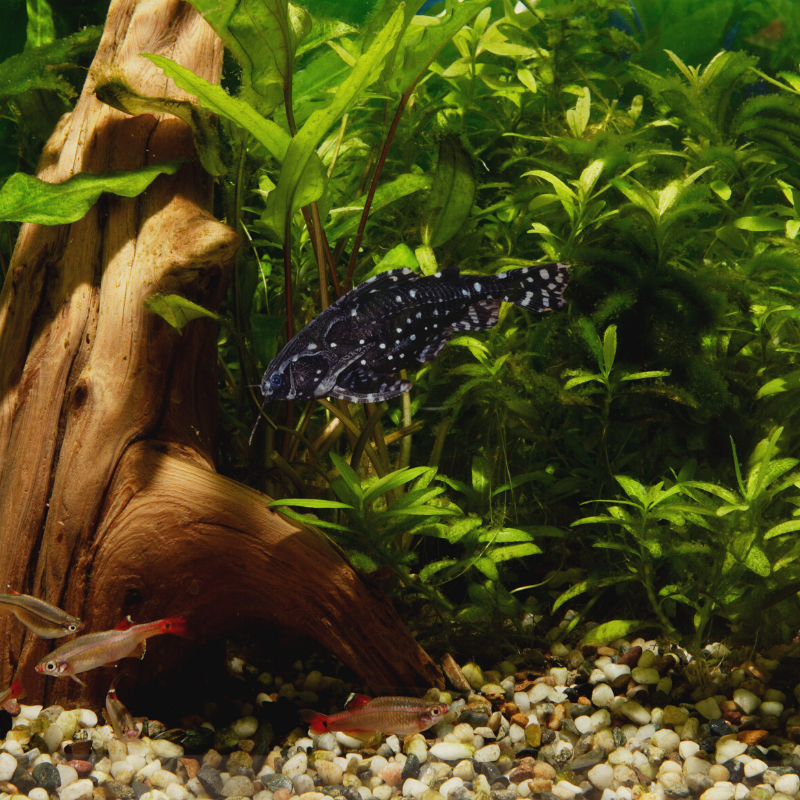
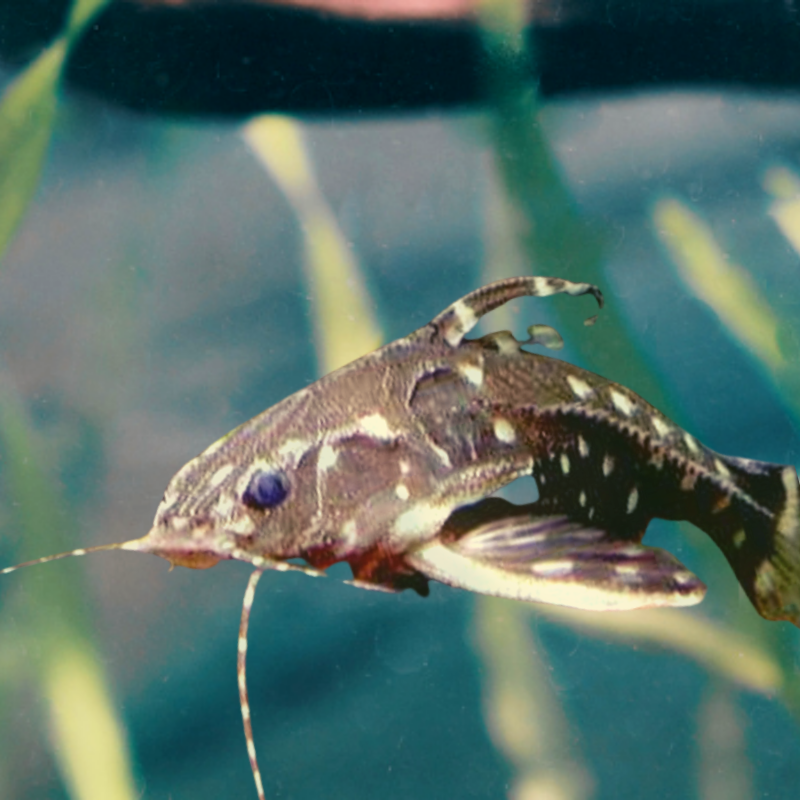
How fast do Spotted Raphael Dora Catfish grow?
The Spotted Dora catfish (Platydoras armatulus) is also known as the Chocolate, Raphael and Talking catfish, and is native to the Amazon, Paraguay–Paraná and lower Orinoco basins in South America.